The Salt Lake City Issue
Sundance Resort and the Performance of authenticity
Our story begins here.
On Sunday morning, when Shawna parks her Subaru, I’m running on two hours of sleep, fueled by Red Bulls, coffee, and cigarettes. With bags under my eyes, a bandana for a shirt, and a cigarette butt in the pocket where my lucky penny used to be, I knew I’d feel out of place at Sundance Resort.
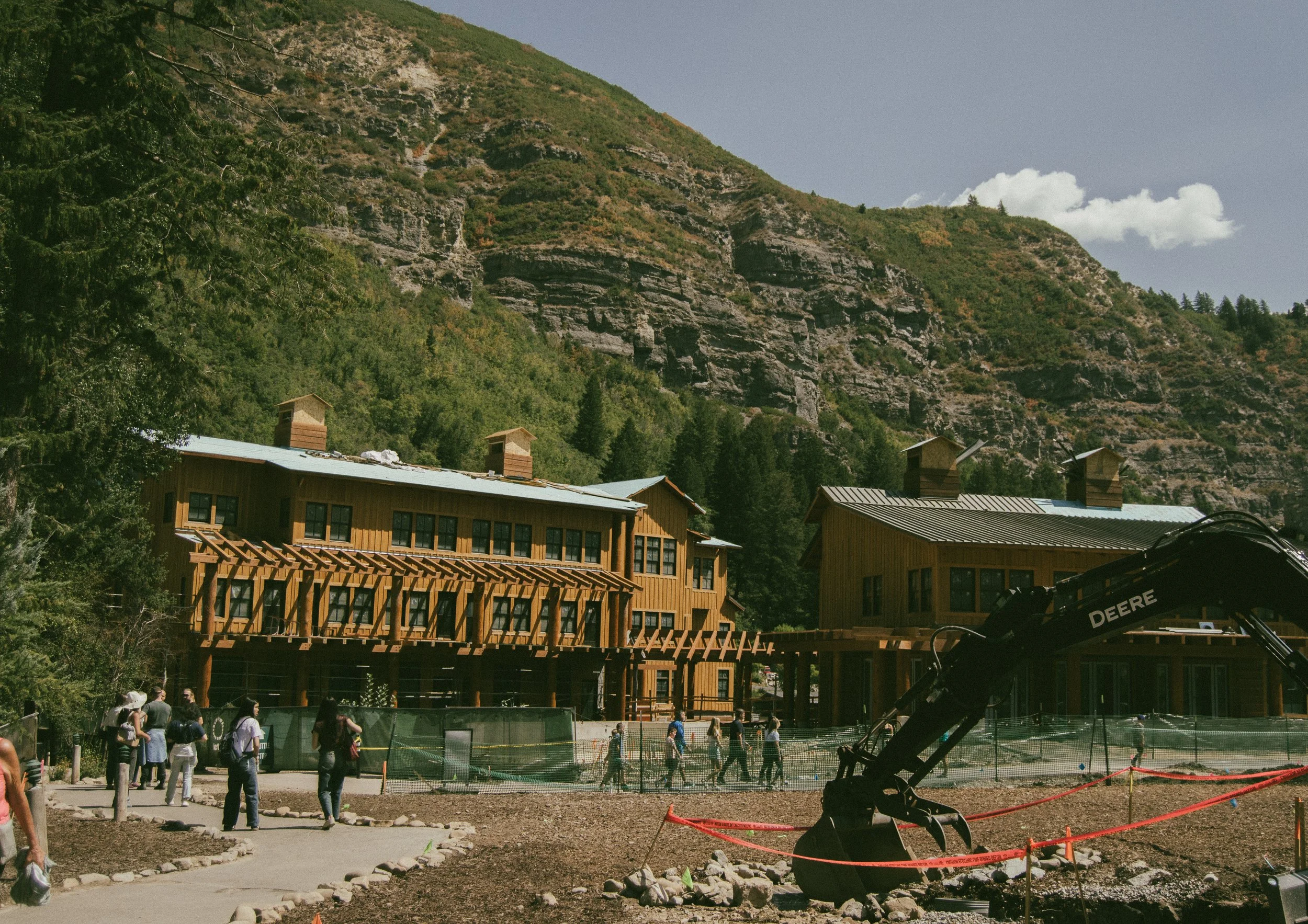
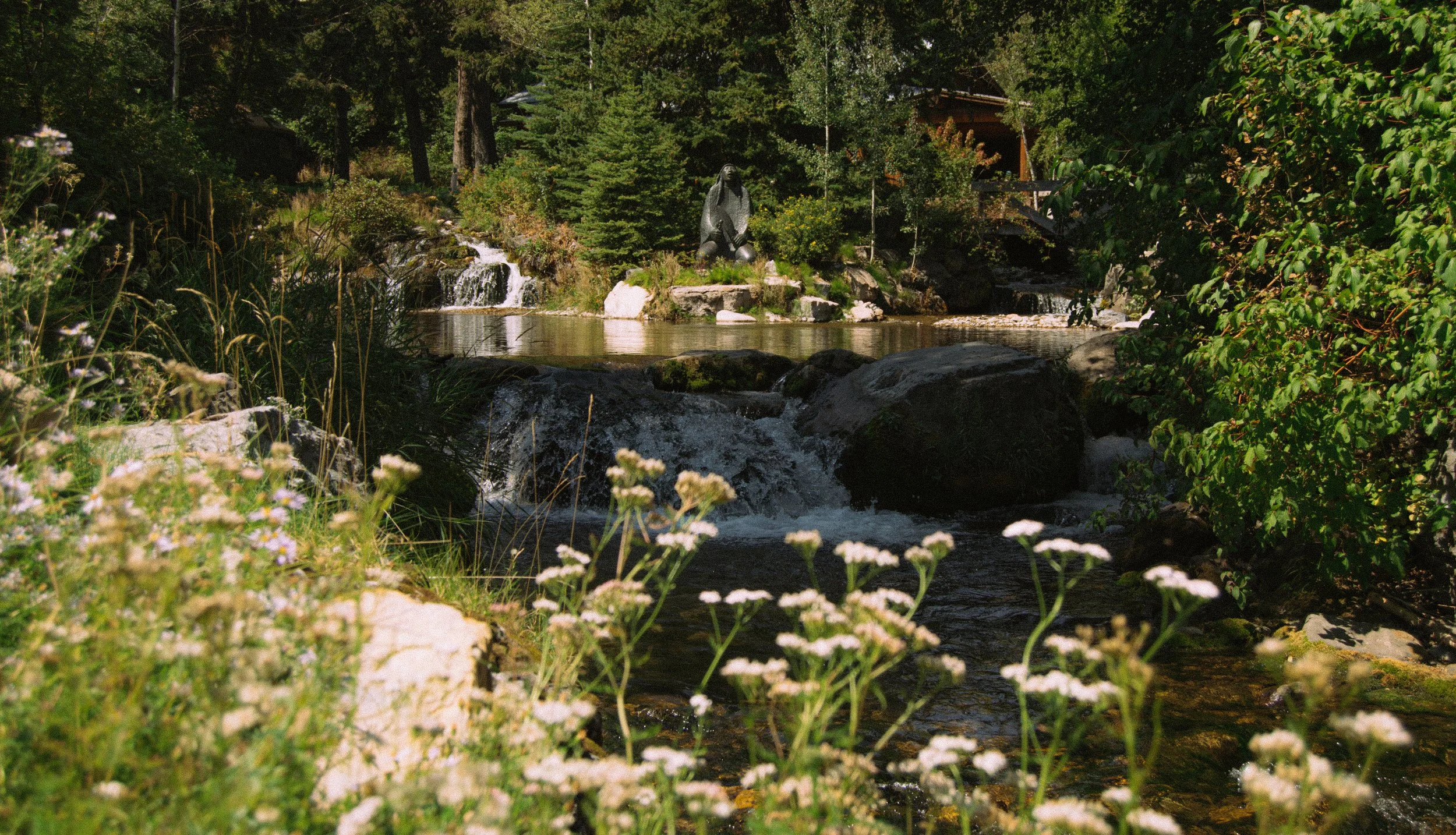
You could film a Hallmark Christmas movie here. The wildflowers are contained to garden beds, the lawn grass is trimmed to six inches, a stone statue guards the pond. Yet after spending the past few days driving past casinos, railroad tracks, colossal hotels, and one-street towns, it’s a nice change of pace. On the long stretch of I-80, from the west to east ends of Nevada, we drove past cop cars, the remnants of dead animals, the sun setting over American flags. Past a Chipotle, an In-N-Out, a Phillips 66, a Holiday Inn. A Tesla charged while an unhoused man kicked a plastic bottle to the curb, a strip club flickered beneath an 855-For-Truth billboard.
You can smell the cedar from the parking lot as we walk toward the wooden cabins, fairy lights lining the walkway and pine trees rustling in the wind. A blur of Patagonia sweatshirts, cable-knit sweaters, Dutch braids, and peach-fuzz mustaches. The clink of beer glasses, children sipping freshly-squeezed lemonade, simple-minded folk trading stories about their husband’s hip surgeries and pasta salad recipes.
Director, actor, and environmentalist Robert Redford envisioned Sundance as a space for “environmental conservation and artistic experimentation,” rejecting investors’ advice to construct condominiums and luxury hotels in its place. Before Sundance, the area was home to a small, sleepy ski resort called Timp Haven, which was catered to locals and university students. Redford purchased the land in 1968 for just $500—the average cost of a single room there today. Today, Sundance is owned by Cedar Capital and Broadreach Capital, investment companies based in Palo Alto and London. It has turned into a franchise more than a community. The businesses run under the Sundance corporate umbrella include the catalog, TV channel, and cinemas. So more than fifty years later, the question remains: does Redford’s legacy live on, or has Sundance become a performance—an escape for wealthy travelers and the local elite?
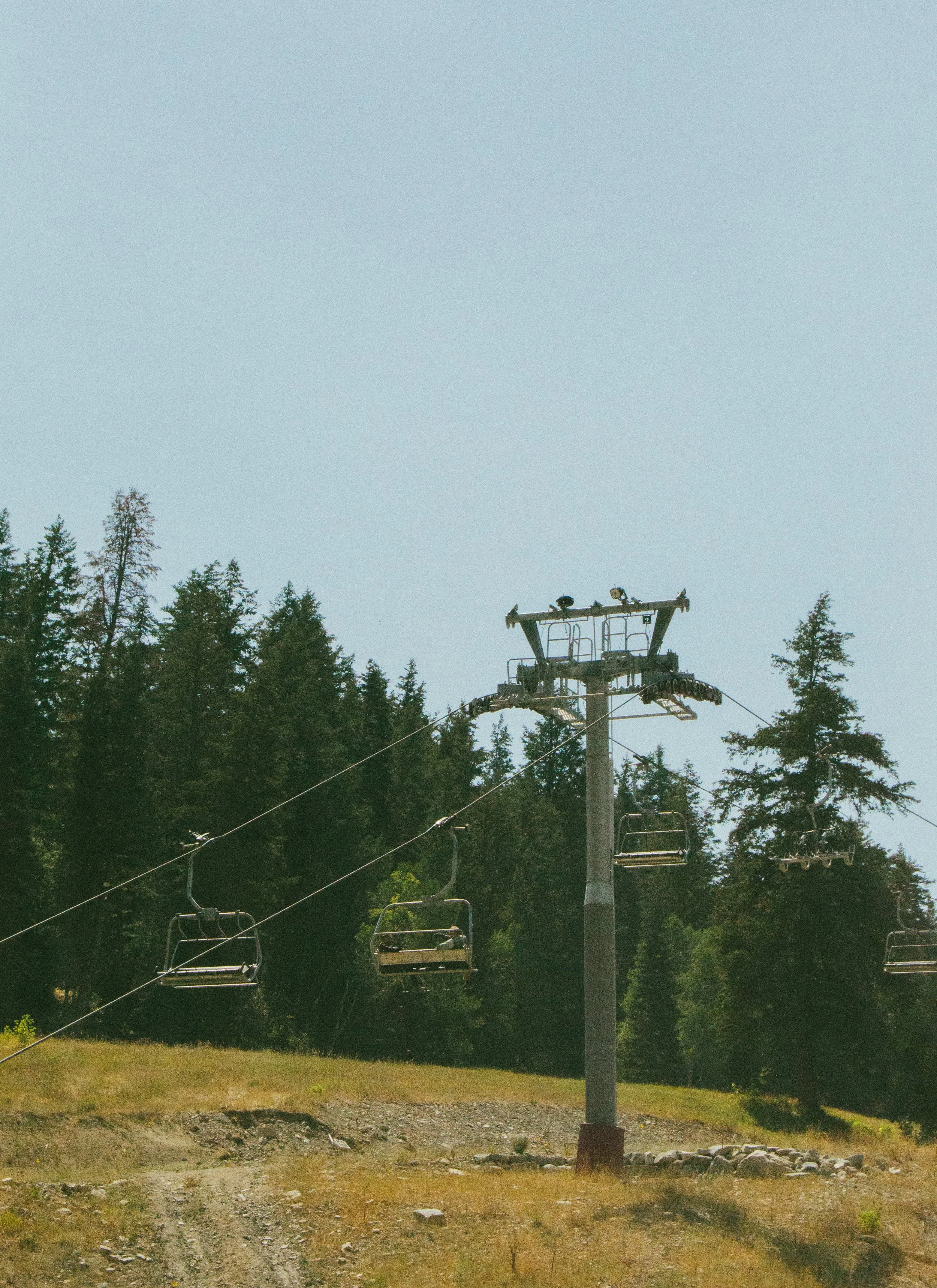
Redford enticed tourism to his resort with the line, “Come here and see what you feel.” Exploring Sundance on Labor Day weekend, dipping in and out of wood cabins and crossing bridges over creeks, all I feel is underdressed and underwhelmed. It’s beautiful, don’t get me wrong. But maybe now, it takes thousands of dollars to experience the magic of Sundance—to afford a resort room, a lift pass, a burger at the Foundry Grill. All I see is credit cards and camera lenses, tourists buying into the illusion of community.
“Would the resort recognize itself now?”
Would the resort recognize itself now? Is Sundance a place you can visit, or is it something we’ve already lost?
My mom has always been a big Robert Redford fan. She made my sister and I watch “The Way We Were” and “All the President’s Men” before we were even ten. For a few years, our relationship was strained, and the only things holding it together were walks along the bluffs and Friday movie nights with takeout Indian food. When Redford passed away in late September, she called me just to say, “Bob died.” So I thought that by visiting Sundance, I would feel closer to her.
But I don’t see much of my mom here. It’s all too manicured, well-groomed. I imagine Sundance in the 1970s with flower children running barefoot through overgrown fields and skiers sipping Cokes in rustic cabins between runs. Maybe I’m glorifying the past, or Sundance just doesn’t attract the same people it used to.
I flip through the menu at the Foundry Grill, which advertises food as “integrated with nature.” The entrees include octopus tails and filets the size of your palm. You can charge more for anything if you give it a fancy name. Why call it mashed potatoes when you can call it Yukon mash? Why call it avocado toast when you can call it avocado tartare?
The pool is even called “the springs”—invisible to the public and only accessible to guests—surrounded by wood-paneled walls and towering evergreens, marking its exclusivity and privacy.
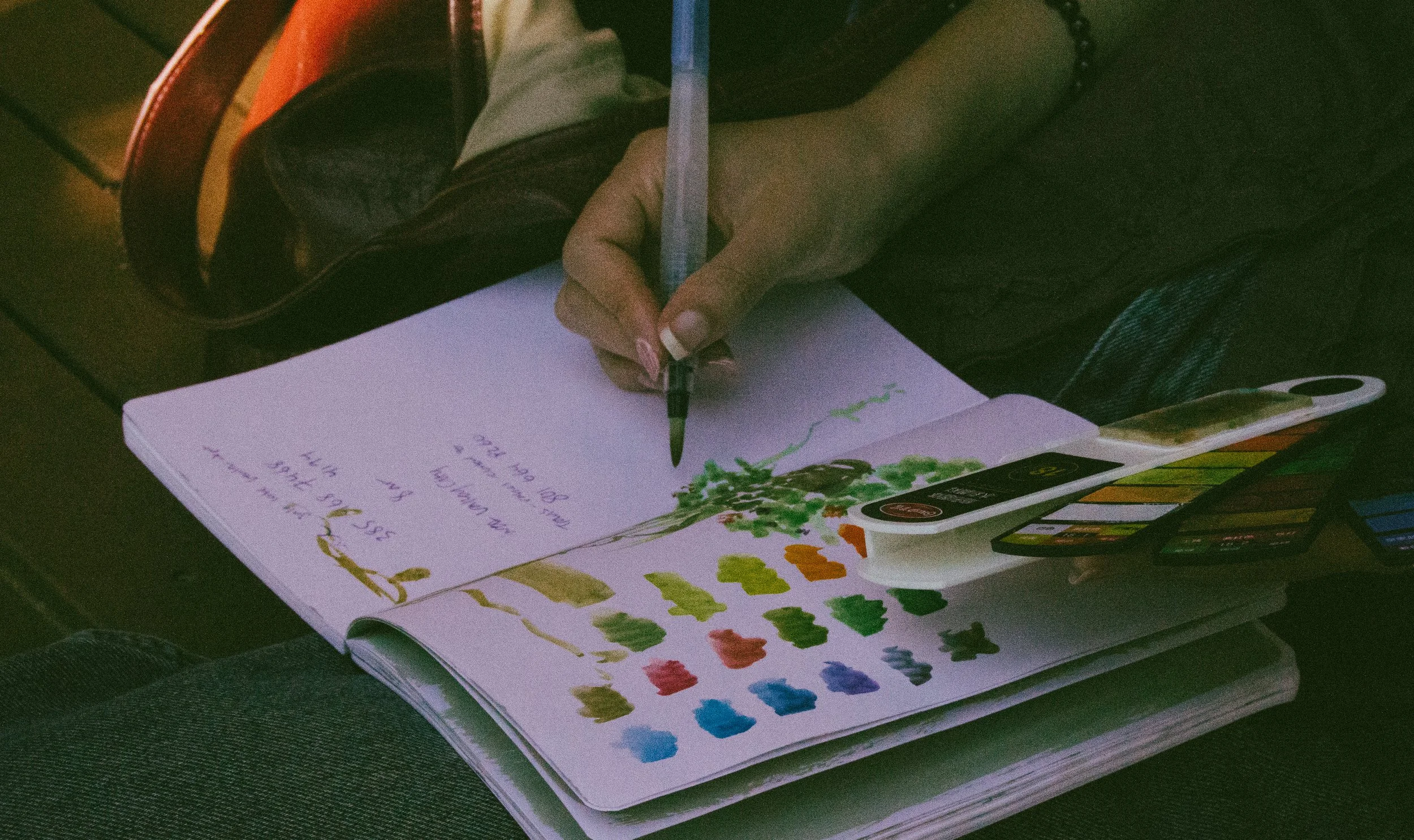
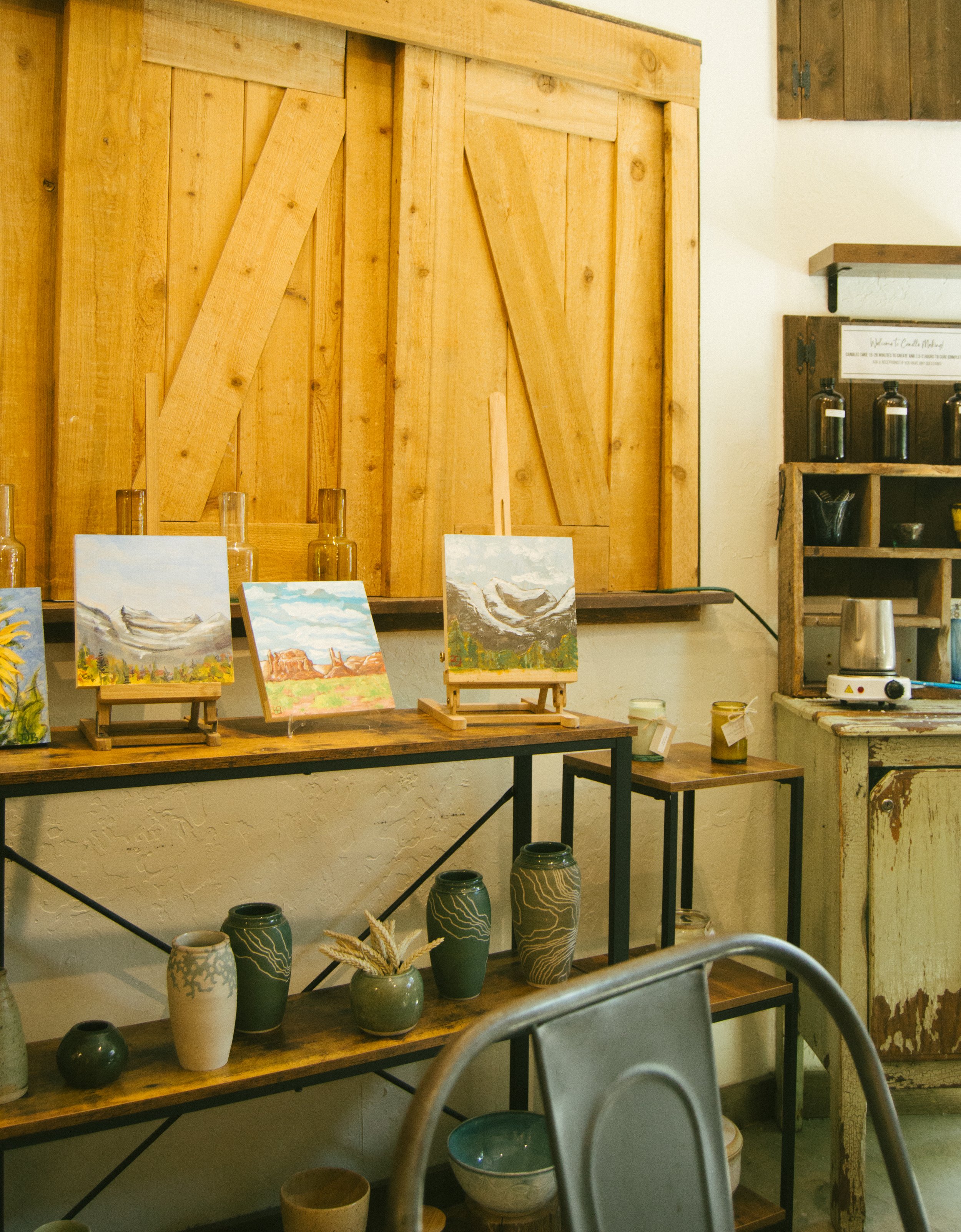
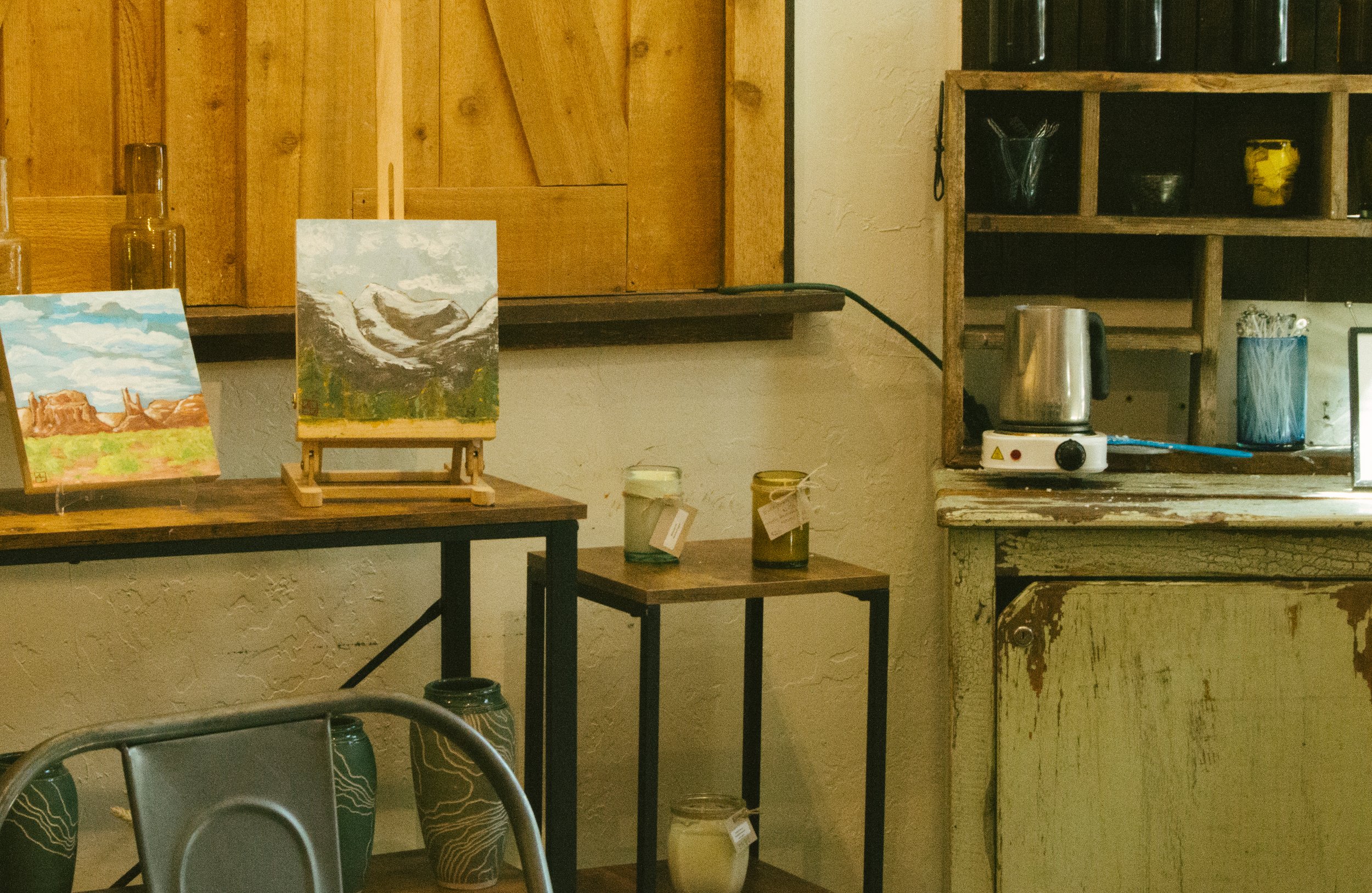
A whole section of the resort is devoted to creativity, with a glassblowing studio, an art gallery, and classes in jewelry making, pottery, and perfume making. We admire the handmade art from afar—the turquoise-studded bracelets, the avant-garde paintings of sunsets, the hand-spun mugs engraved with lilies, each piece priced around $150.
The name “Sundance” itself straddles the line between appropriative and self-mythologizing, influenced both by the Ute tribe—who hold a Sun Dance ceremony once a year—and by Redford’s role in the 1969 western drama “Butch Cassidy and the Sundance Kid.”
This trip has revealed that Salt Lake City—and much of Utah—is a paradox. Families live in ticky tacky boxes, with tiled roofs and well-trimmed lawns. But downtown serves drunk, restless kids, ordering pizza and beer in broken English, hovering outside bars, night clubs, and hookah lounges. All of them lost on purpose. Sundance, much like Salt Lake City, is a paradox: a constant tension between local artistic charm and corporate monopoly, between authenticity and financial gain.
Maybe that’s the thing about places like Sundance—they start as ideas, then are bought, branded, and capitalized until the feeling that once defined them is sold back to us. As we pull out of the Sundance parking lot, I wonder if Redford’s dream ever stood a chance, or if it was always destined to be another story about America: beauty fenced in and nostalgia mistaken for truth.
—————————————————————————————————————
Words: Agnes Volland
Photos: Hitiksha Bansal, Sylvie Lam
Design: Josie Hsieh