The Salt Lake City Issue
the war after the war
Han 한
There is a Korean character that no combination of English words can perfectly grasp the meaning of: han (한). It’s the first character in “hanguk” (한국) and “hangul” (한글), the Korean name for our country and language. Han can refer to Korea, but it’s also the word for deep sorrow, resentment, and anger — all tangled up into a ball of thread. It’s a collective feeling caused by unresolved historical trauma carried across generations, not only in Korean communities but in all colonized groups.
She’s seen in the hundreds of thousands of comfort women, who after years of sexual slavery for the Japanese military, returned home immobilized and silenced by an unbearable baggage of shame and injustice; nobody seems to care that an entire government with a criminal record of mass rape and murder is on the loose.
I saw her in my grandpa, born and raised in North Korea under the Japanese occupation, forbidden to speak or even learn his own language. Who as the eldest son of five kids, journeyed down to the South in search for a safe home for his family when communist governments, puppeteering the North, began capturing his neighbors’ lands for redistribution. He was nineteen. He never saw his family again in his 83 years of life. All because of a line called the 38th parallel drawn by men, backed by institutions, and fueled by greed.
I see her in my dad, who grew up with a widowed and divorced father that spent most of his time drinking his past away. He’d wait for hours at the bus stop of his village for his dad, only to return to his dark, empty house, alone as a five year old. I see her again in his inability to express his love, misconveyed as nagging yells and angry comments.
Han is silent and invisible, yet obnoxiously suffocating. I’ve seen her in conversations,
history textbooks, and I saw her again at a museum in Salt Lake City.
—
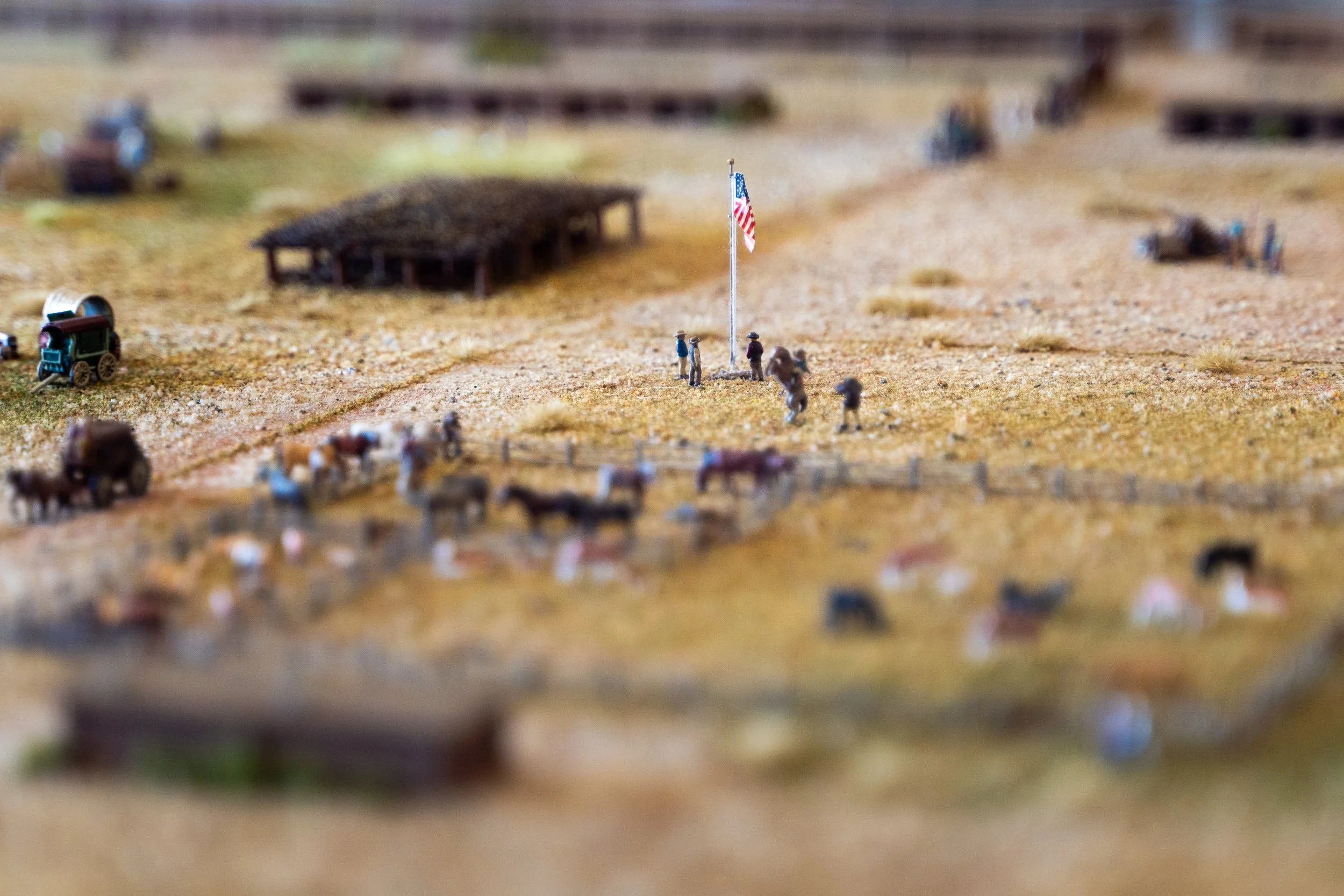
I type on Google: “Native American museum in Salt Lake City, Utah”, and click on the first result: The “Native American Village” in This is the Place Heritage Park. There are two 5 star reviews and one picture of a random hut.
The vagueness oozes mystery: something underground, something difficult to find, something hidden. Though I have my own assumptions and biases about Utah, its people and education, I feel hints of hope: that maybe they’ve changed, that maybe they’ll present history accurately, that this time it’ll be different. I take the chance.
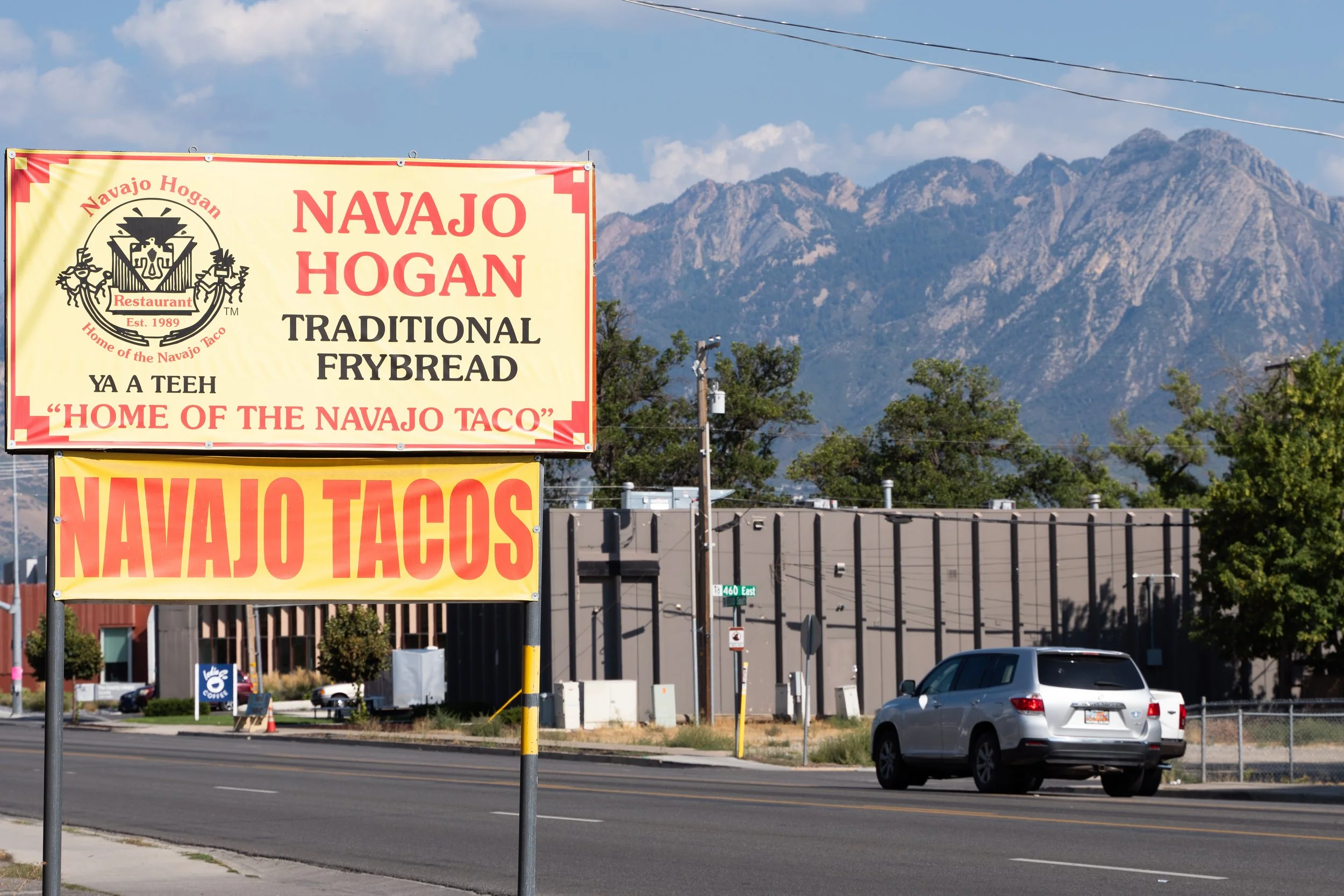
I go to the booth to pay $22.95 for a ticket. I ask the worker where the Native American Village is and she hands me a map and draws a circle around the drawing of a hut. She starts spelling out N-A-V- but then pauses, and asks me how to spell “Navajo.” She mentions that she is an elementary school teacher.
I look at the tiny circle in the upper, right hand corner of the map — on the furthest end of the park.
The corner representation brings me back to my World History textbook in Ms. Tolleson’s fifth grade class. We’d read countless pages about the major historical events that now blur into the Industrial Revolution and the World Wars.
In the chapters on imperialism and the Cold War, the devastation of their exploitation was carefully wrapped and concealed by its portrayal as another push towards modernism. As I skimmed the texts, I came across a short paragraph on the upper, right hand corner. The subtitle read: The Korean War. Surprised, yet delighted to see the legacy of my ethnic background — my mom’s, dad’s, aunts’, uncles’, and grandparents’ journeys— all packed into the five-line paragraph of the 500-paged textbook, I couldn’t stop reading it over and over again.
Like how the paragraph made up less than 1% of the entire textbook, I am drawn to how the Native American Village occupies only 1% of the entire Place Heritage Park. I am intrigued by how the vast, colorful intricacies of the tribes in Salt Lake City— their histories, legacies, cultures, and beliefs— will be packed into a small hut, tucked away into a corner of the park.
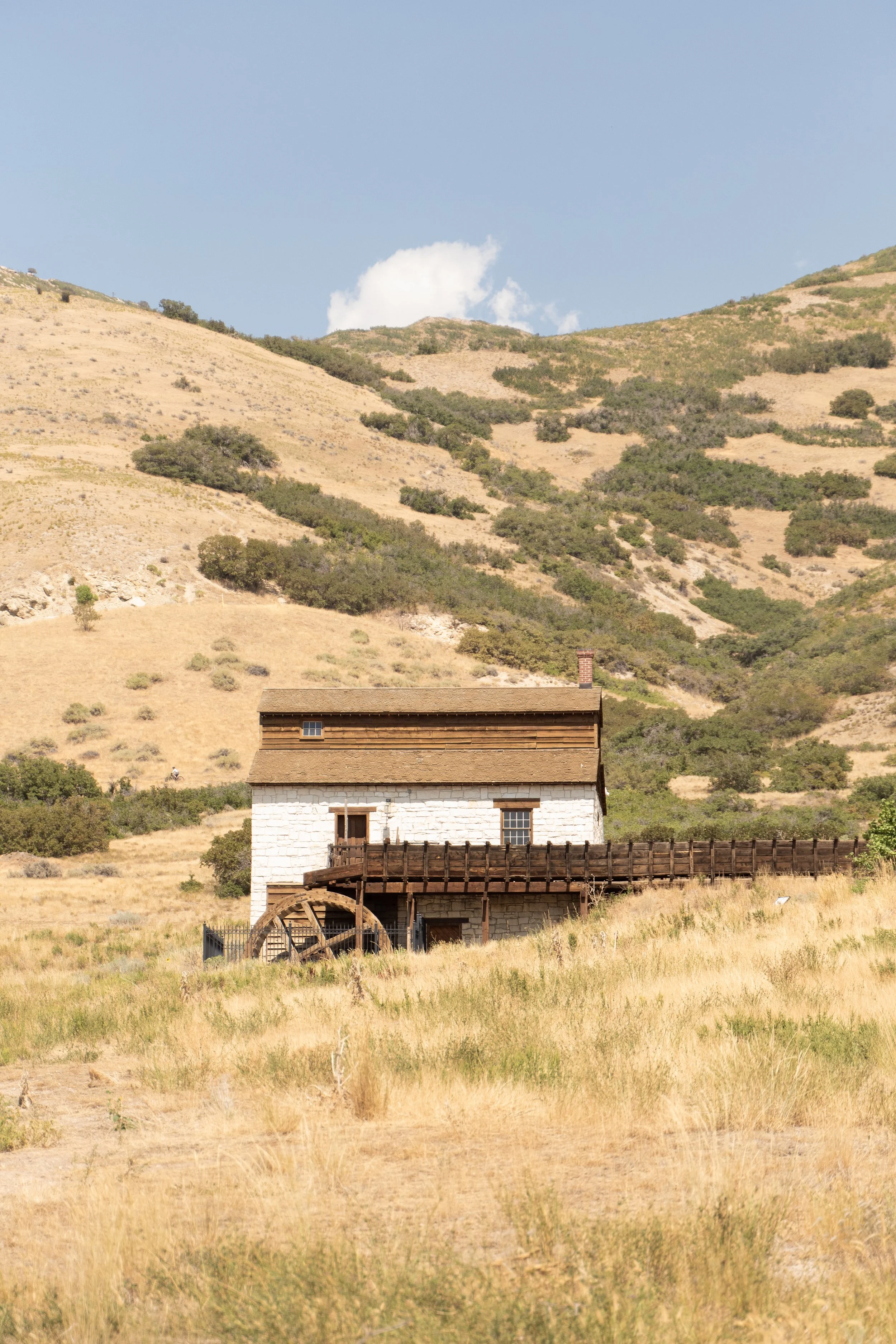
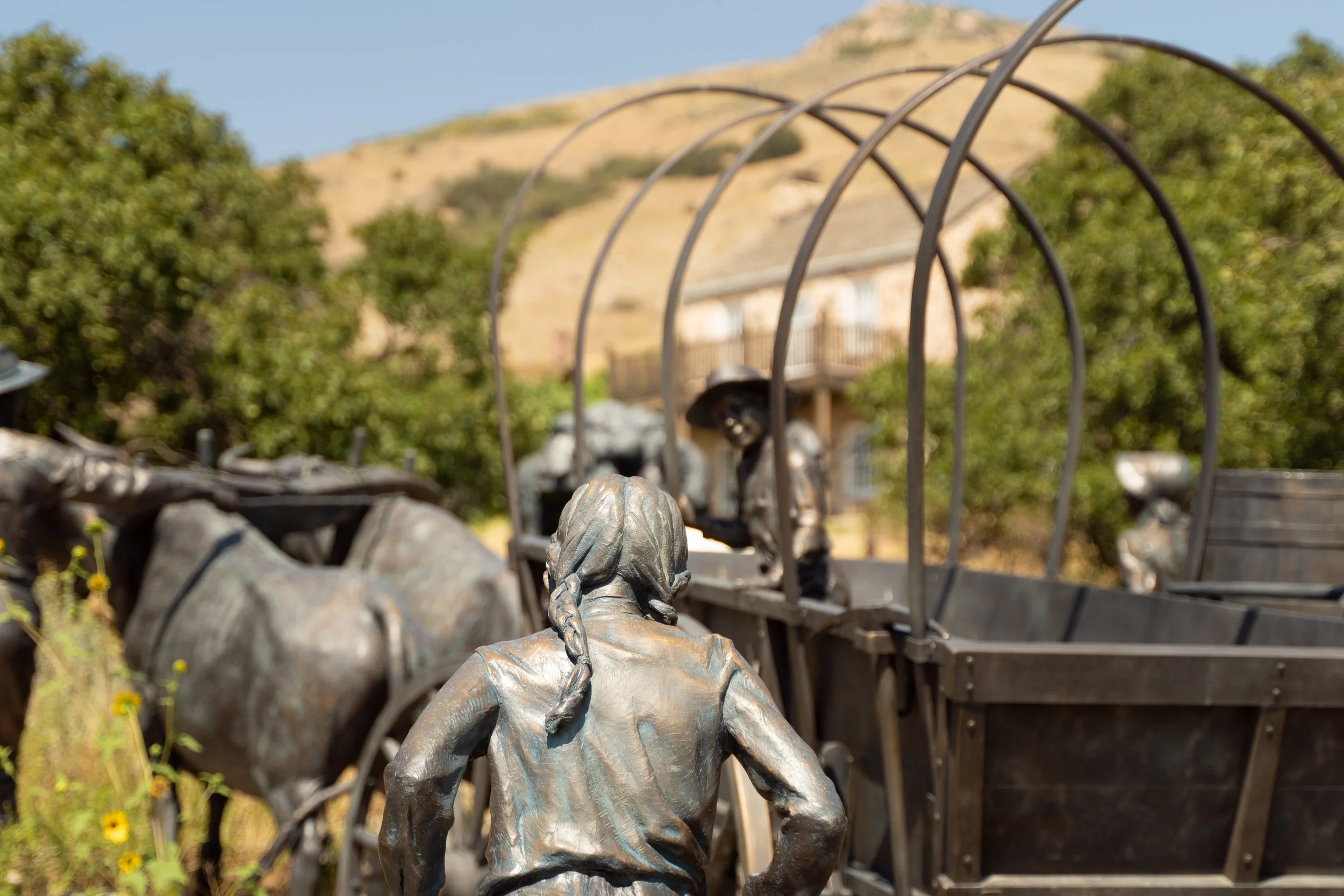
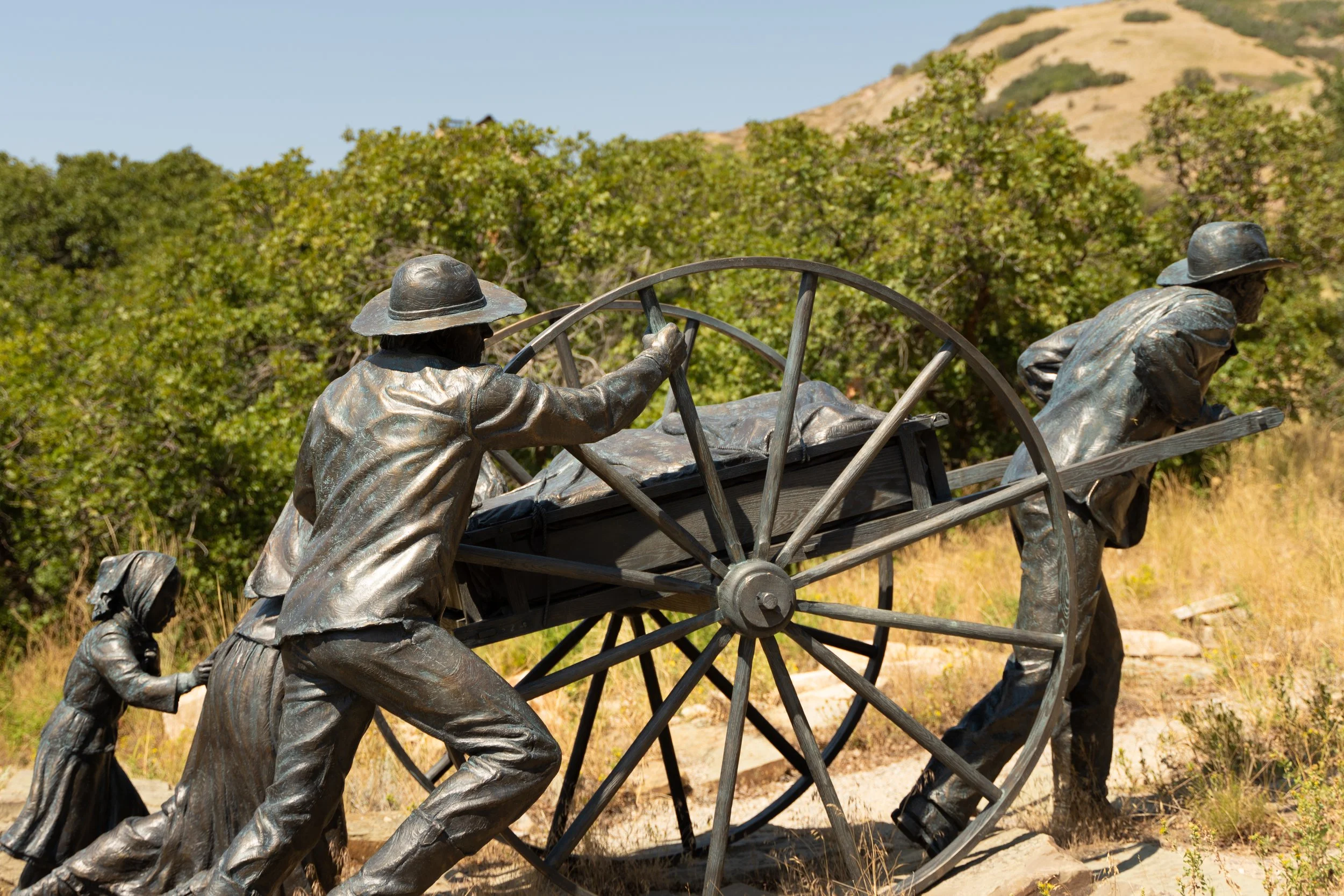
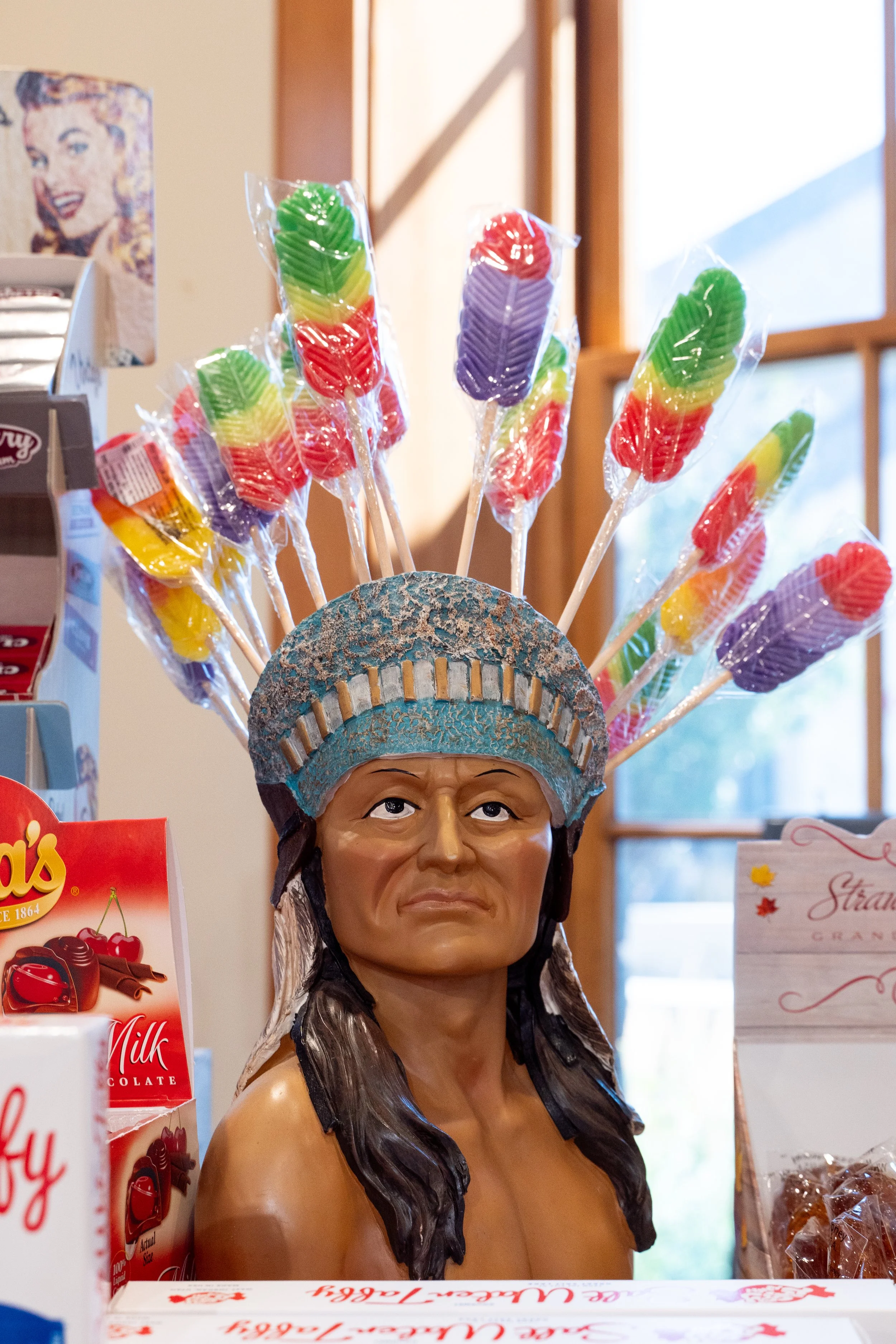
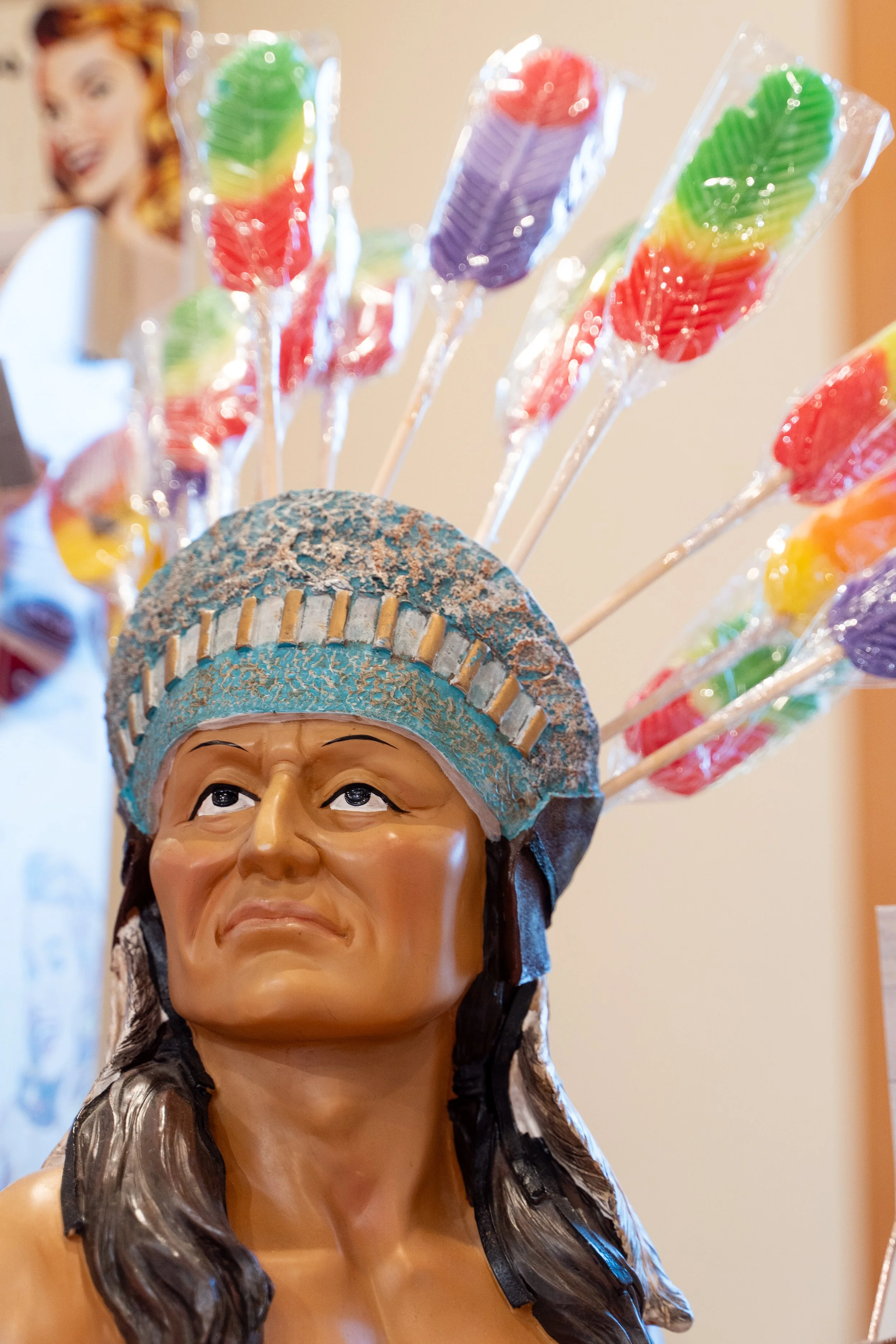
My group and I are informed of an educational performance at the village. Eager to validate America for recognizing their violent, exploitative past, we embark onward. To get to the Native American Village, we go through the Pioneer Center, the Pine Valley Chapel, Deseret Hospital, and the Pioneer Children Memorial, all detailed with interactive narratives and endless descriptions. Our paths are pre-designed for us to see the hut at the very end, after the brave journey of the pioneers.
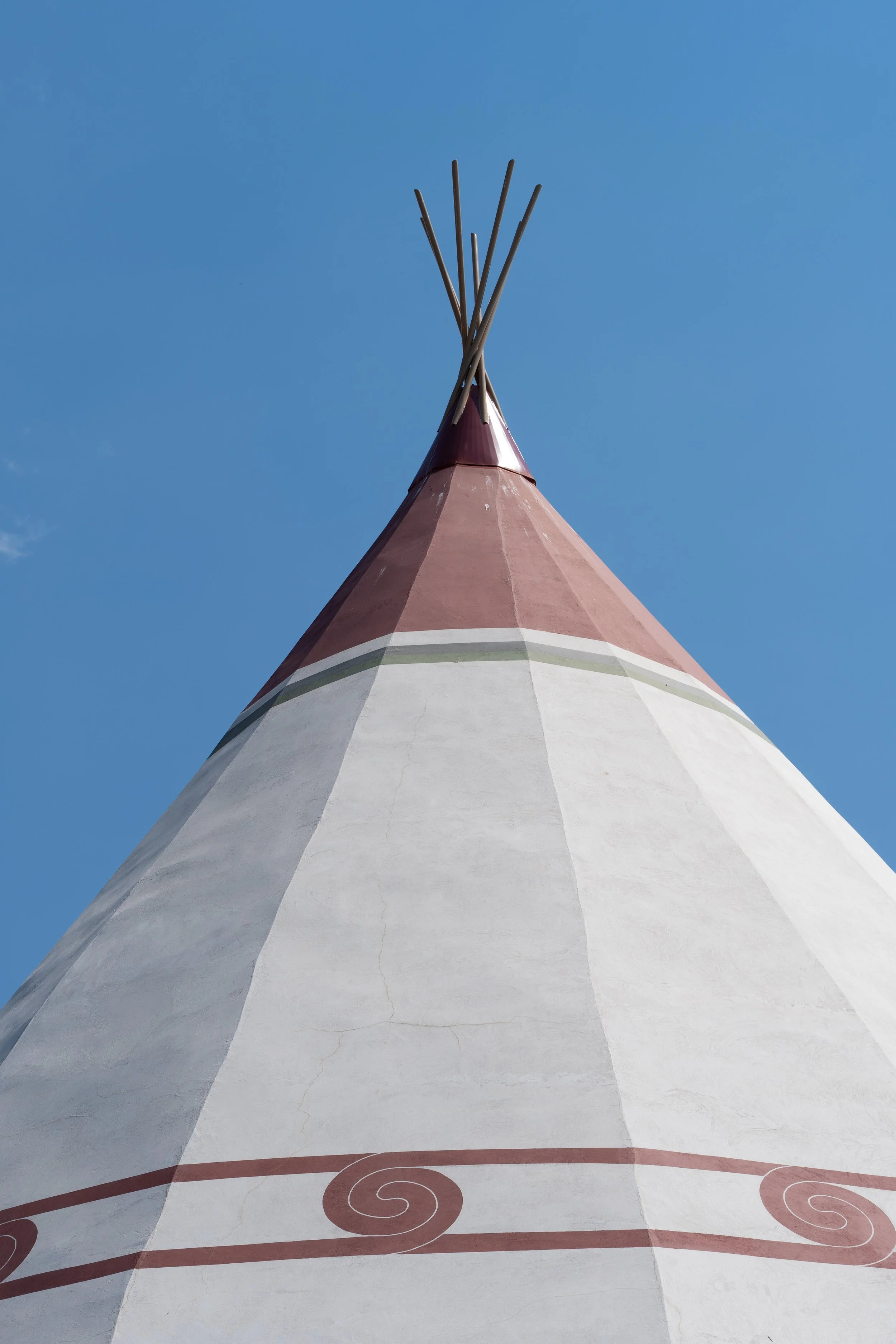
Finally, we arrive. I see the hut which is a teepee. It is a cream-colored, cone-shaped, cement building decorated with red-brown zig zags; the building is permanently plastered onto the red-rocks of the ground. Its architecture and design seem hand-made and authentic. Yet, it feels artificial and out of place, like a sore thumb.
We enter the teepee. The performance has started. A 360 degree projection encircles the slanted roof with a video of a tribal performance. I wait for an explanation, but the video proceeds for ten minutes. The ambiguity opens the floor for assumptions. A dancer with unique, colorful, feathered attire seems to be performing a traditional ritual of some sort to tribal oscillating beats of the drums. It’s clearly an indigenous dance ritual of some sort. But which tribe? For what? Why? From where?
There’s no native trace in my blood, yet I feel a wave of resentment and grief begin to emerge: han.
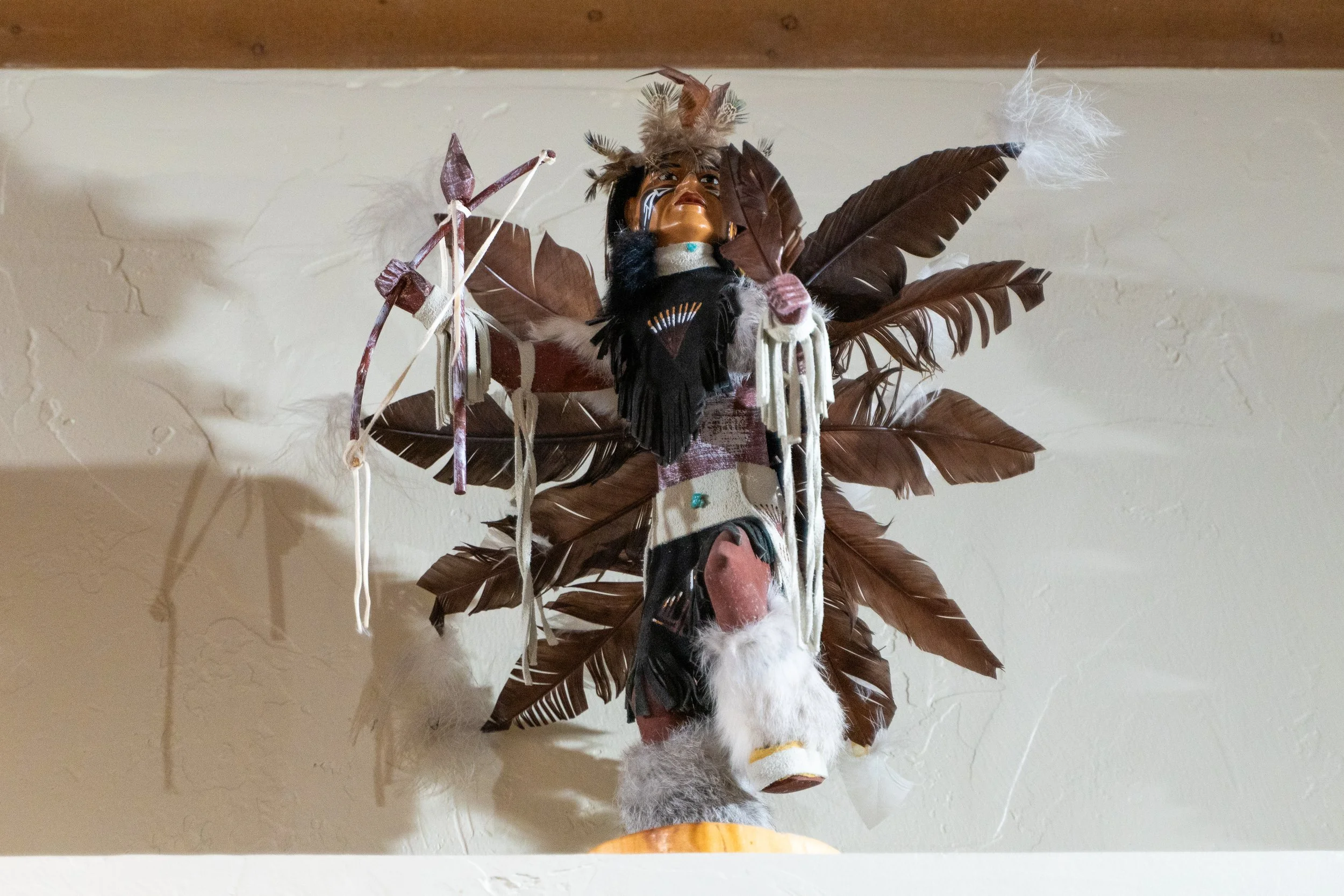
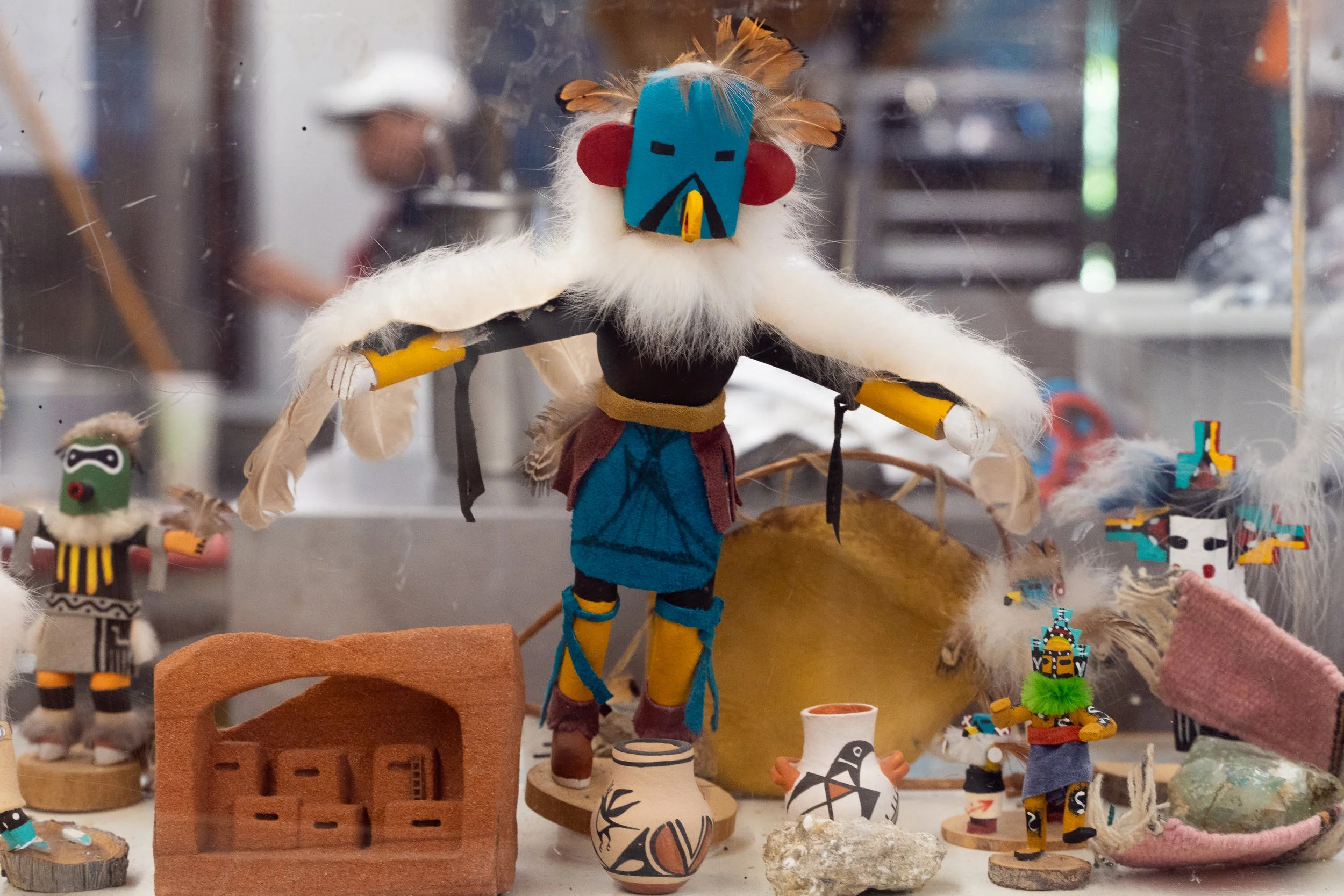
On the table towards the center of the tepee are different artifacts I assume the Navajo tribe used. Straw materials, patterned blankets, clay pots, and animal skin. It looks tribal, but I’m left again to fill in the blanks with my imagination as I don’t see a single description. On another set of tables is a bead making activity with plastic beads and elastic.
Desperate to learn more, we bombard the volunteer worker with different questions. Who do these things belong to? What were these straw tools used for? When did they live here? How did they make these clothings? Were there any conflicts with the pioneers? She responds with vague descriptions and that she’s not exactly sure about specifics. I force a big smile and thank her.
As we exit the tepee, we exchange glances with a woman from Zimbabwe a few steps away. The melanin of our skins carry a mutual understanding — that yet again another story has been buried.
We cautiously begin sharing about the experience and I realize she isn’t angry; a little disappointed, but she is understanding because she is accustomed to this type of story.
She explains how colonialism was good for her country and I remember my dad saying the same thing. Japan integrated new technologies into Korea: trains, radios, street-lights which modernized lifestyles.
Yet, the woman stresses, “you can’t measure the snake without the actual snake.” How can a museum teach history without the people who lived it?
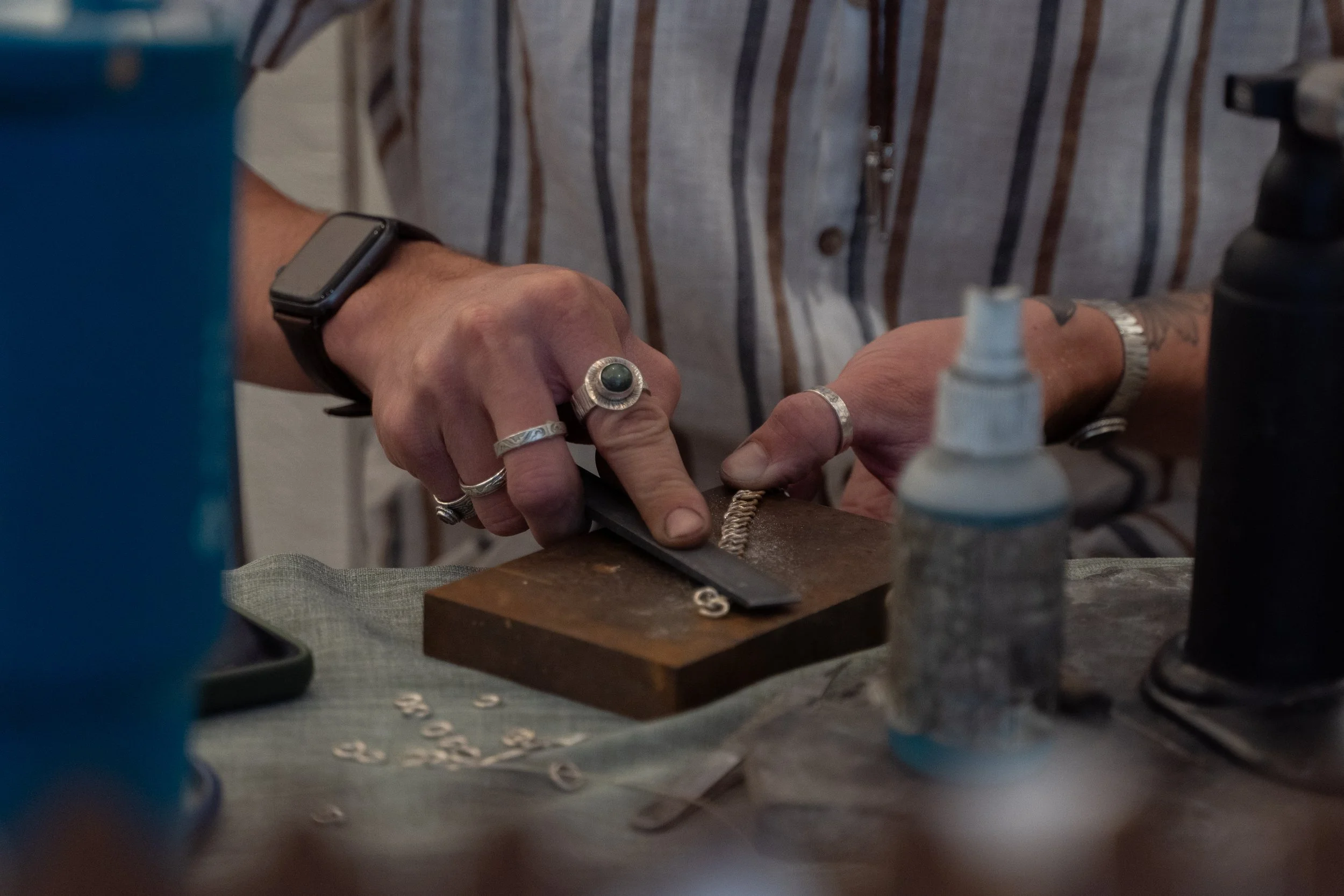
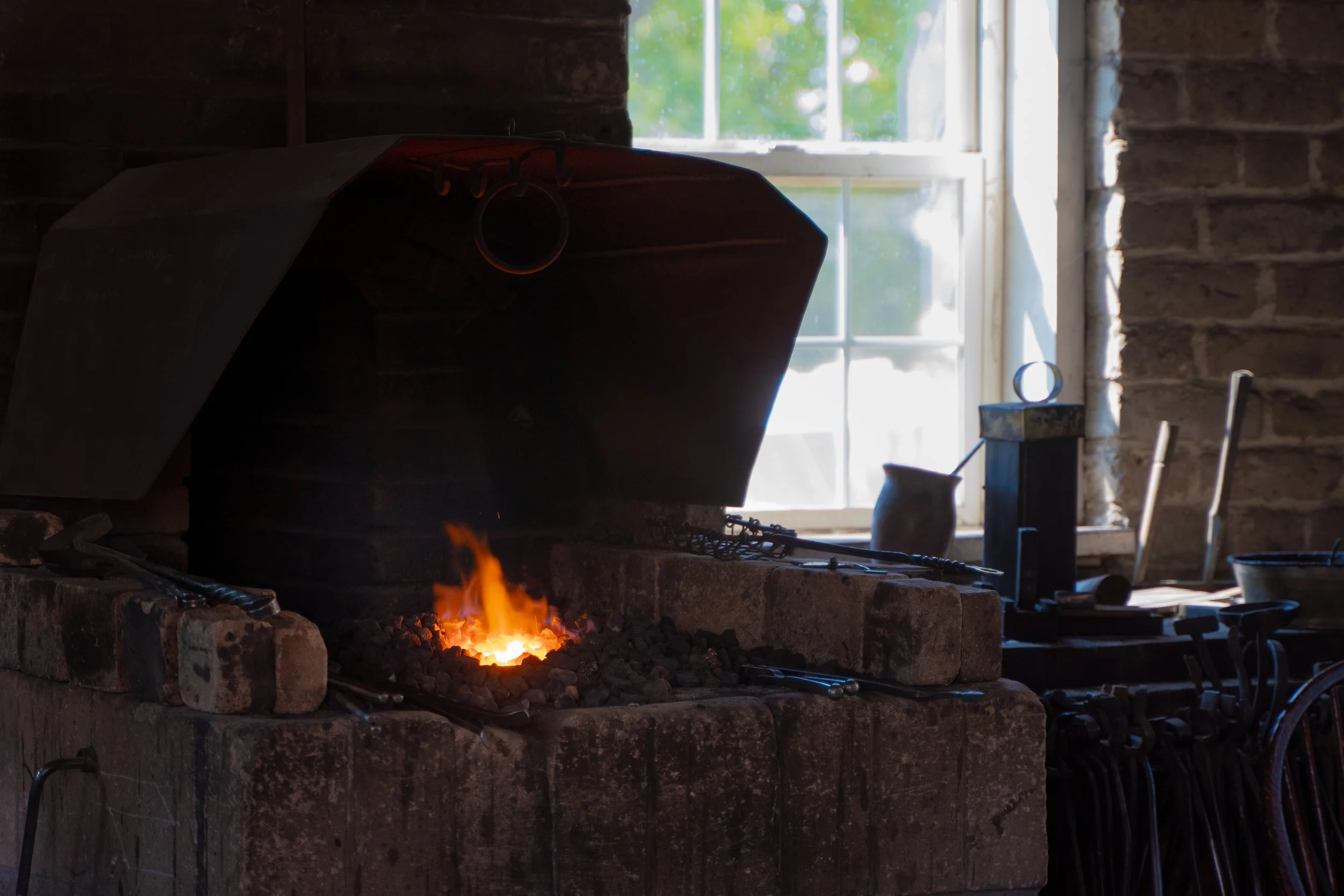
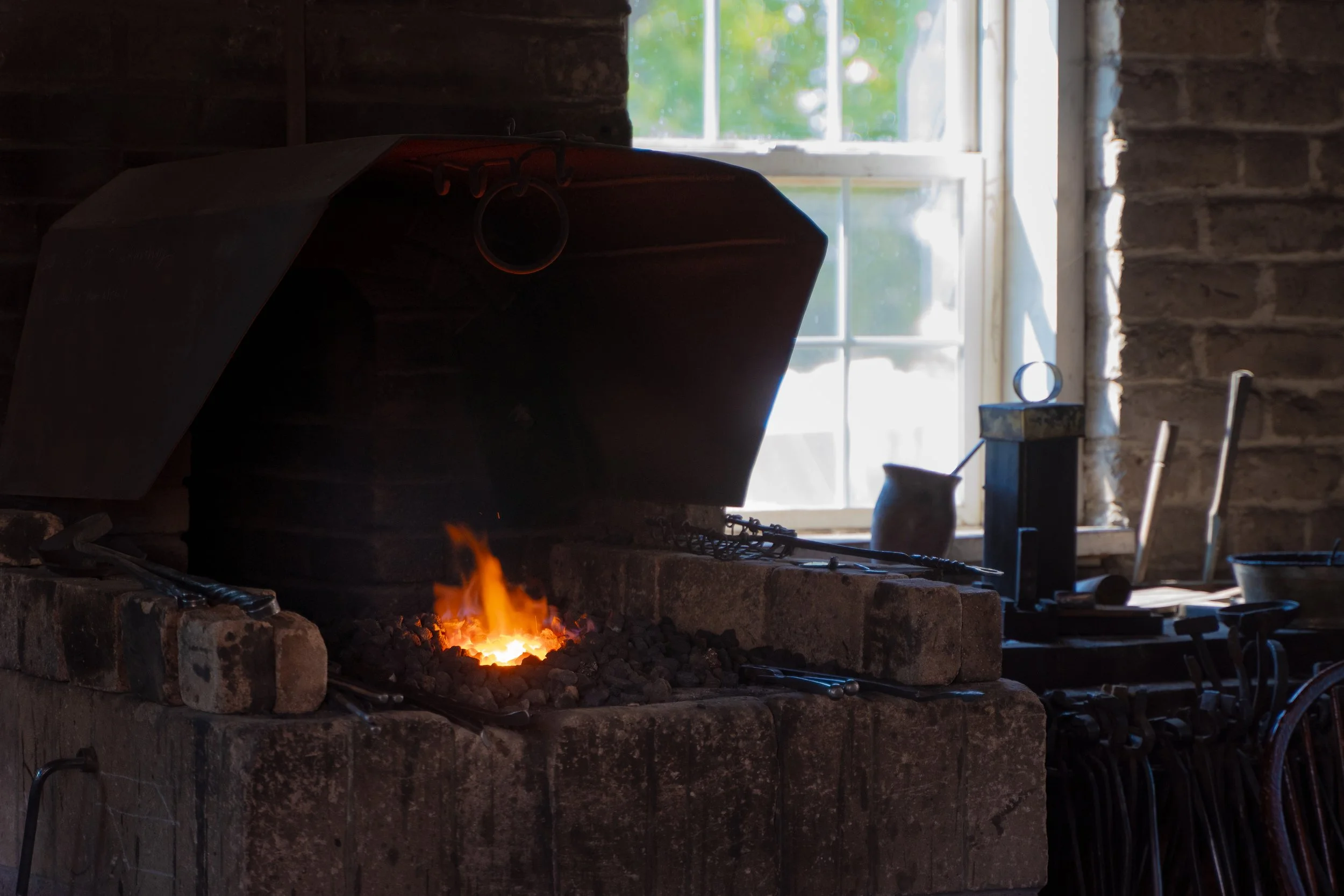
We continue to search for answers throughout the different exhibits. We go to the blacksmith, the school, and the fort exhibition. Most workers are unsure of how to answer our questions, except one.
The fort worker explains that the Native tribes didn’t use the Great Lake, that the tribes found it useless and had no problem with the pioneers settling down around the lake.
That didn’t seem right. The Great Lake is the most prominent geographical feature of Salt Lake City, so why would indigenous groups known for intense, spiritual connections to their land, find no purpose for the lake? He proceeds to say there was a massacre of some sort but forgot who massacred who.
Usually, I leave museums feeling informed, smarter for excavating something that was once unknown. Yet, in the Place Heritage Park, I left dissatisfied with an odd urge to dissect further. As soon as I return home, I open my laptop and go down a research loophole.
Tepees are homes designed to be easily taken apart and transported for a nomadic lifestyle. They are conical tents made from animal leather stretched from a wooden pole structure, not cement.
“Navajo” is what the Spanish settlers called them. Diné is their real name, what the tribe calls themselves, which translates to “The People”.
Major tribes of Salt Lake City are the Ute, Shoshone, Goshute, and Paiute, not exactly the Navajo Nation.
Salt harvesting from the Salt Lake was and still is a significant cultural practice for many native tribes with homelands near the Great Basin. The Shohone also relied on duck eggs and insects from the lake for sustenance.
The Bear River Massacre, led by Colonel Patrick Connor, killed around 300 children of a Northwestern Shoshone winter village. It was a bloodshed against the Shoshone as they were raiding the settlers' farms in retaliation for continuous displacement from their ancestral land.
I begin to feel thankful for the five lines on Korea because I’ve never read a sentence about the Shoshone in any textbook throughout my fifteen years of education.
I don’t blame the workers because such mass erasure is a product of something bigger, of eurocentric, dominant powers institutionalizing the dismissal of accountability throughout generations.
And this critique isn’t for the money or compensation; rather for someone to simply say: What happened was wrong, and we’re sorry. We are just simple humans aching to be seen, heard, and acknowledged. Our complexity, the tangled ball, is produced by being forced to contain all these strands of emotions within ourselves. One sincere statement can untangle generations of han.
Kim Bok-Dong, a former Korean comfort woman, said that if Japan truly apologized and corrected its textbooks, she could forgive them — for forcing her into seven years of sexual slavery at the age of fourteen. She died without that apology.
The aftermath of war transcends the limitations of time and space. It’s sewn into the social fabric of nations, passed down through generations, entangled in textbooks, museums, and lives.
We inherit her without knowing her name or even of her existence. But it’s time we call her by her name. Her name is Han.
————————————————————
Words: Elaine Lee
Photos: Phillis Wan
Design: Shivani Dodamani