
The Salt lake city issue
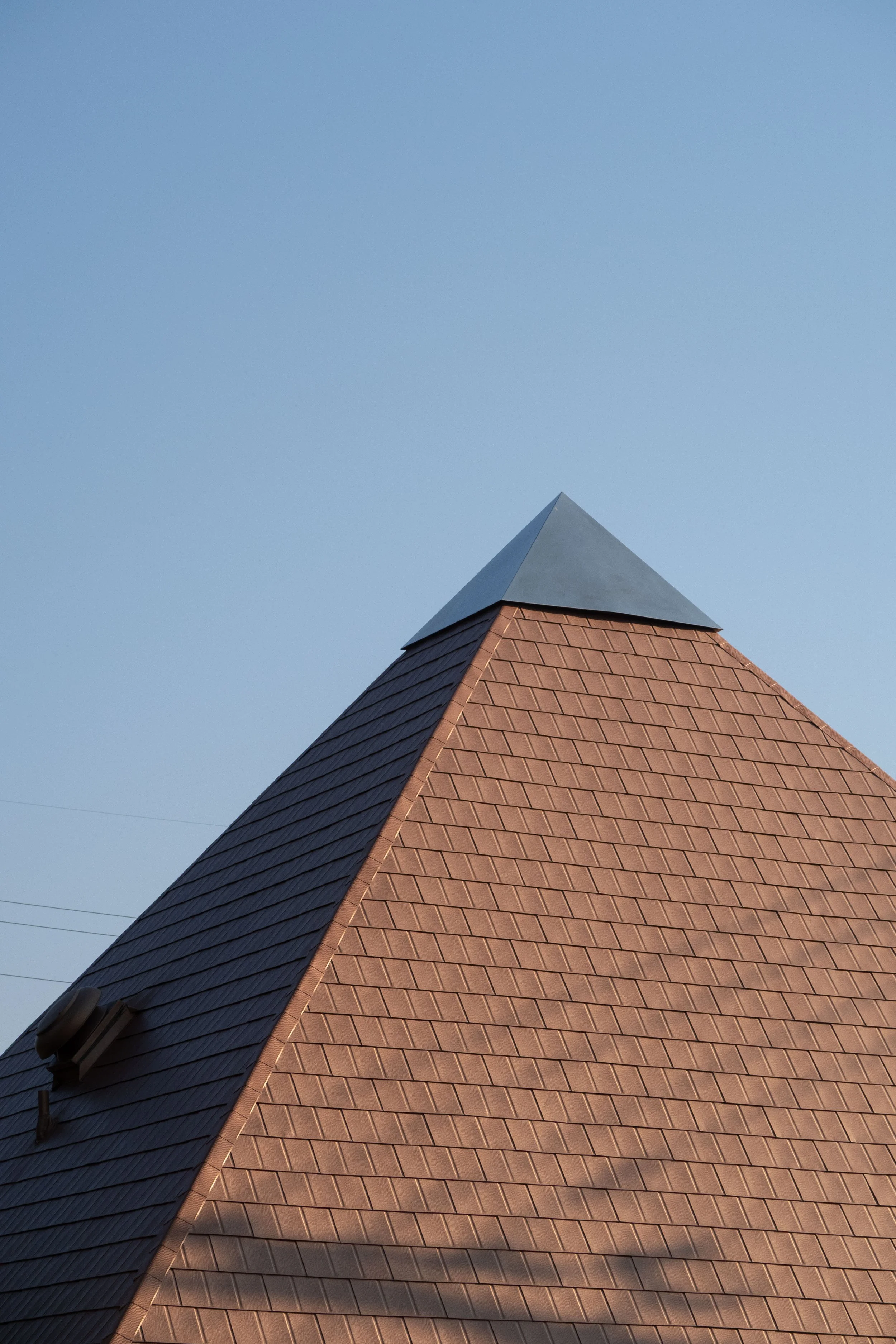
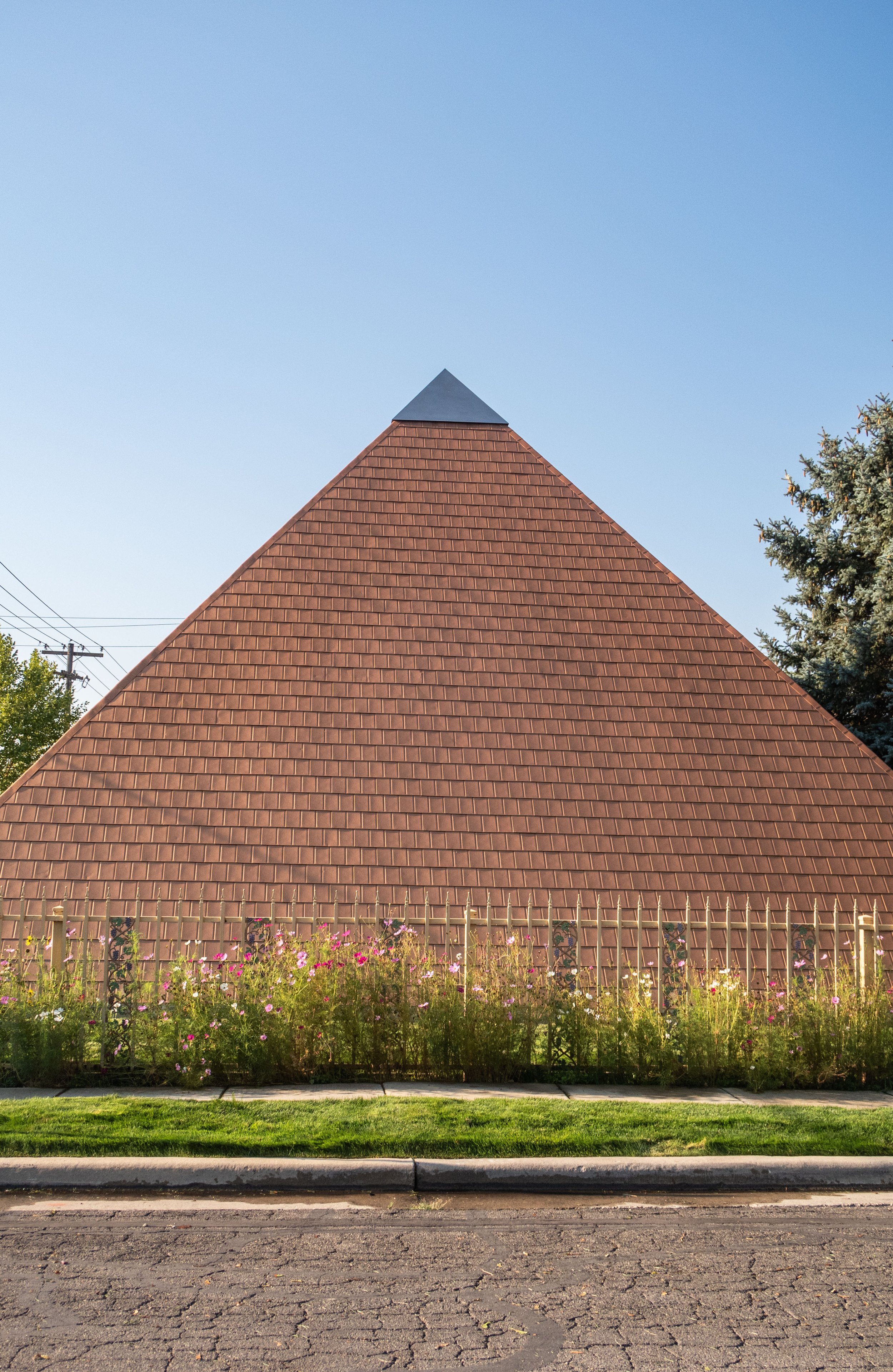
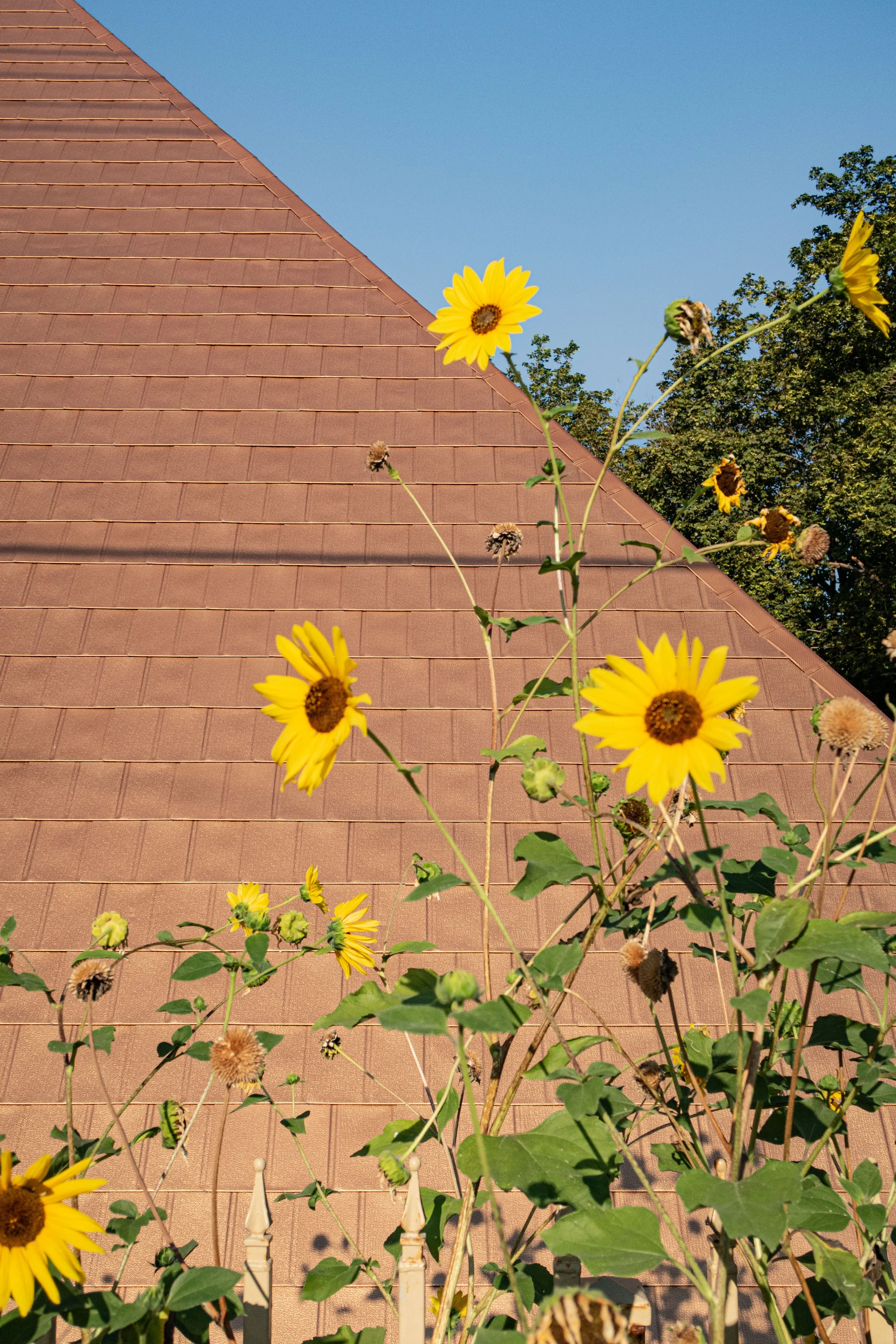
a pyramid in a desert in salt lake city, utah
On Pointed Ceilings and Square Houses, On Pointed Ceilings and Cathedrals
I was not raised so much in religion as I was in tradition.
In Judaism we have a tradition of shame, a religious week where you try to repent for all of your sins, so that God does not strike you down dead in the next year. I wasn’t raised extremely religious, my mom chides me with a chuckle now, and tells me it was never so serious. But when I was young, an amalgamation of impressions, I really did think God was going to kill me because I was a little mean to my brother. So I would fast on Yom Kippur, and I would pray, and I would feel God’s eyes in the rays of sunlight casting down from above. Watching. Silent. Judgemental. I apologized profusely. I did not want to die.
And that is what I was told religion is. Tradition and time turns any belief into normal. But when I venture to Salt Lake City, and see the striking spires of the Church of Latter Day Saints, I am told that is what a cult is.
And when I venture just a few miles past that church, I see a pyramid.
——-
We made our pilgrimage to the pyramid in the early morning, the Utah sun already cruel and blistering and making me regret the long sleeve button-up that I wore to feel like a “real” journalist. I had done as much research as I could and I had a notebook full of questions, but I still felt devastatingly unprepared. Nevertheless, time never stops to let you catch your breath, so we piled into my car and made our way. Those eleven minutes of driving felt so surreal, a countdown to a moment that to me had been building into reality for a month; hours of anticipation coming to fruition.
One turn off the freeway, and we were on a residential street. The buildings on the block were somewhat dilapidated, with crumbling paint and sagging roofs, but in front of the houses bloomed beautiful gardens, with vibrant colors that seemed to distract you from the decay. Driving further down the street, with the freeway running above us to our right and houses to our left, I finally caught sight of it. Standing on the edge of the block was the pyramid. It came out of nowhere, a grand, gleaming creation of another time or place, plopped down in the middle of suburbia.
Built out of tan bricks, its pointed head stuck out only slightly above the houses surrounding it. The pyramid, in itself, is incredibly conspicuous when you stop and look, but its meager size almost camouflages it amongst the rest of the block; in passing you might think it the work of an eccentric grandma. And if I hadn’t put the address into my GPS I might have driven past it, I might have never stopped. But as it was, I put my car in park, and got out.
We were ushered in through the gate by an older white woman, with short grey hair, and a wide, kind smile. Her blue eyes lit up when she saw all of us young college girls. Maybe we reminded her of when she was young.
She ushered us onto the property. Walking through the front gate felt like wandering into another world. I stepped off a cracked grey sidewalk, on a cracked grey residential street, and somehow arrived in Eden.
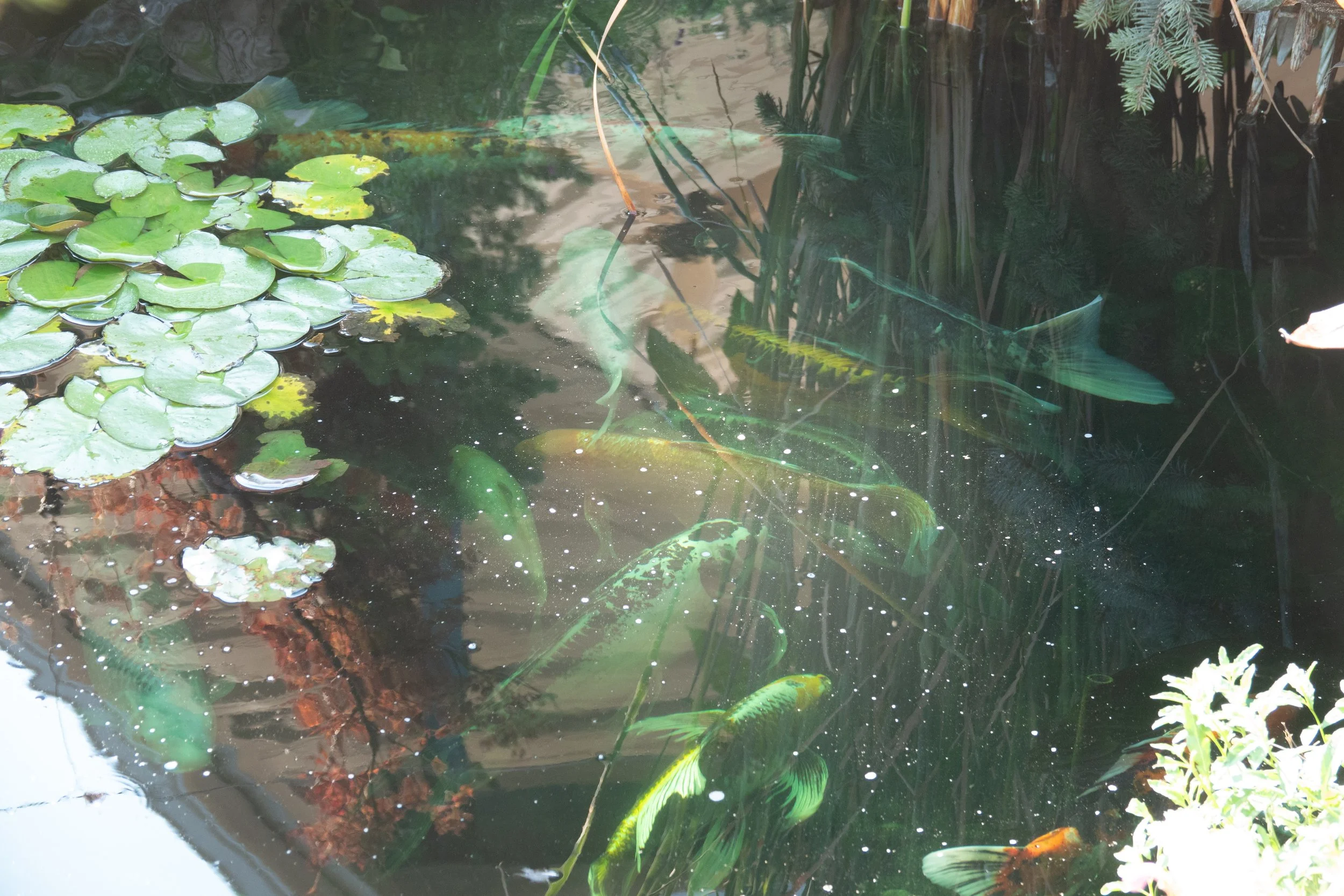
There were gorgeous, voluminous plants, such a pure, pristine green that they seemed to glow, even under the shade cast from the veranda overhead. The plants surrounded a babbling brook that trickled and eddied down into a small pond. In the pond were moving bodies of orange, black, and white – koi fish, moving gracefully and fluidly through the water. A slight breeze moved through the air, catching a butterfly's wings on its flight to a flower and caressing a set of wind chimes that set a delightful hum tinkling through the air. It was very tranquil in the garden. I started to understand how one could find spirituality in this place.
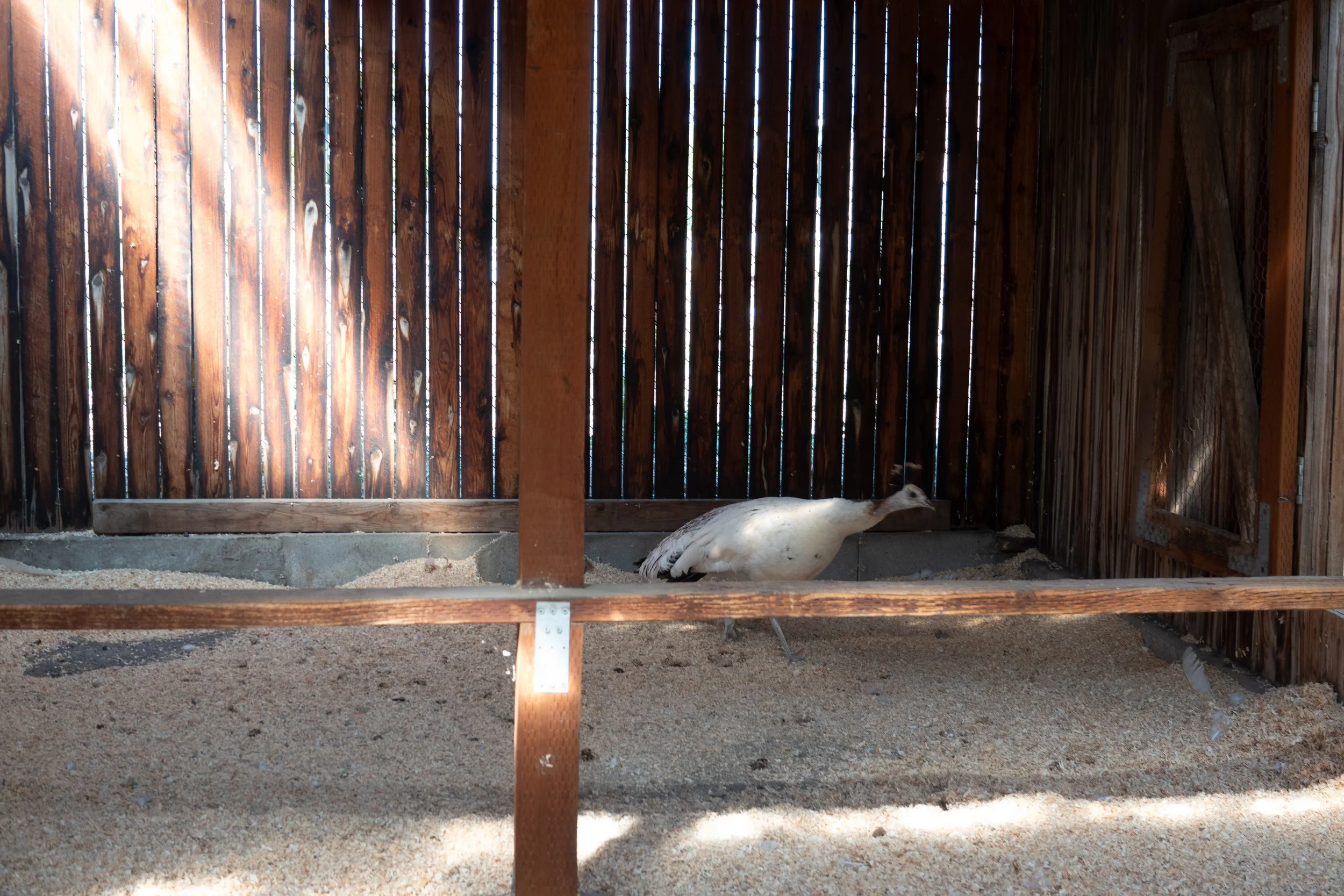
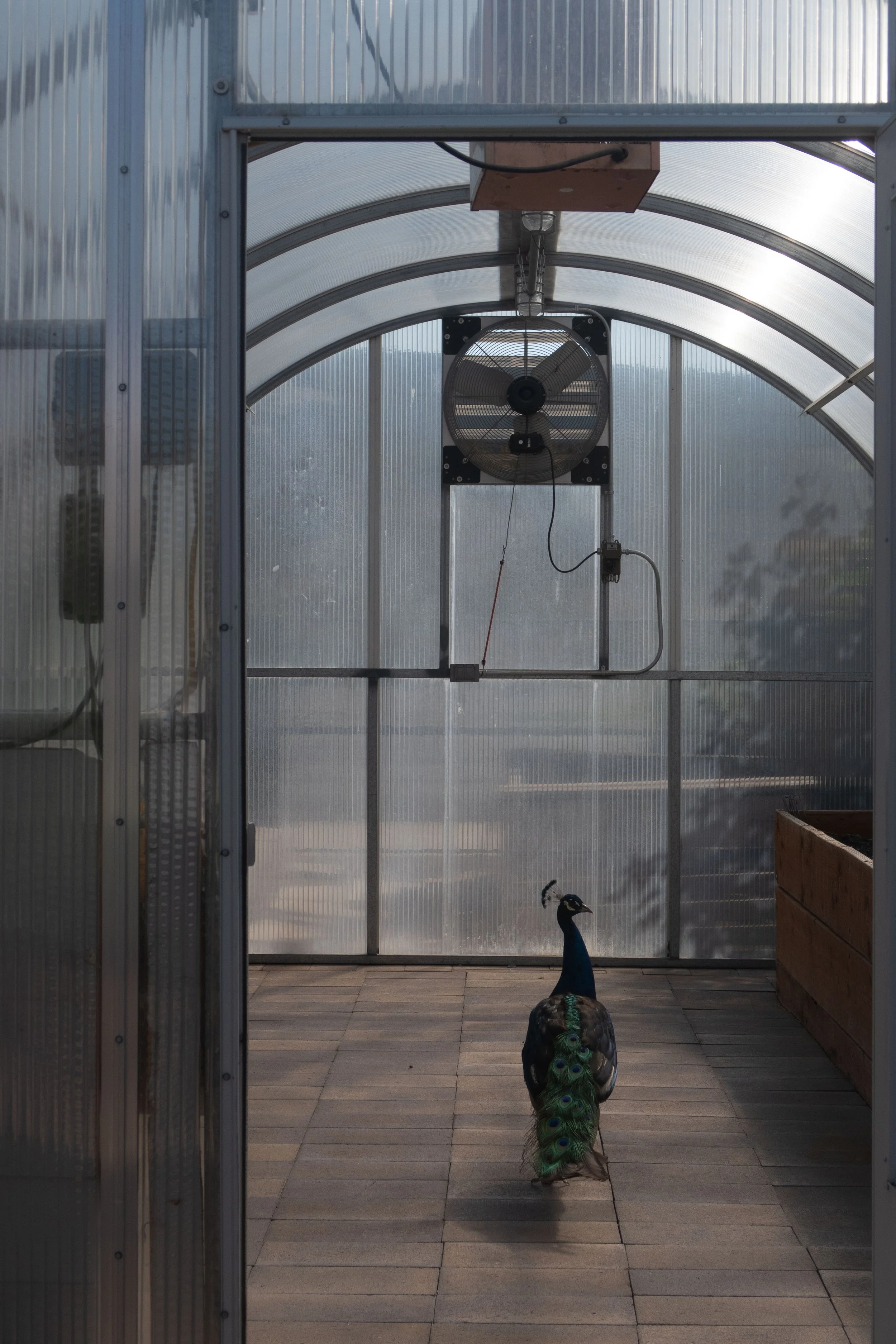
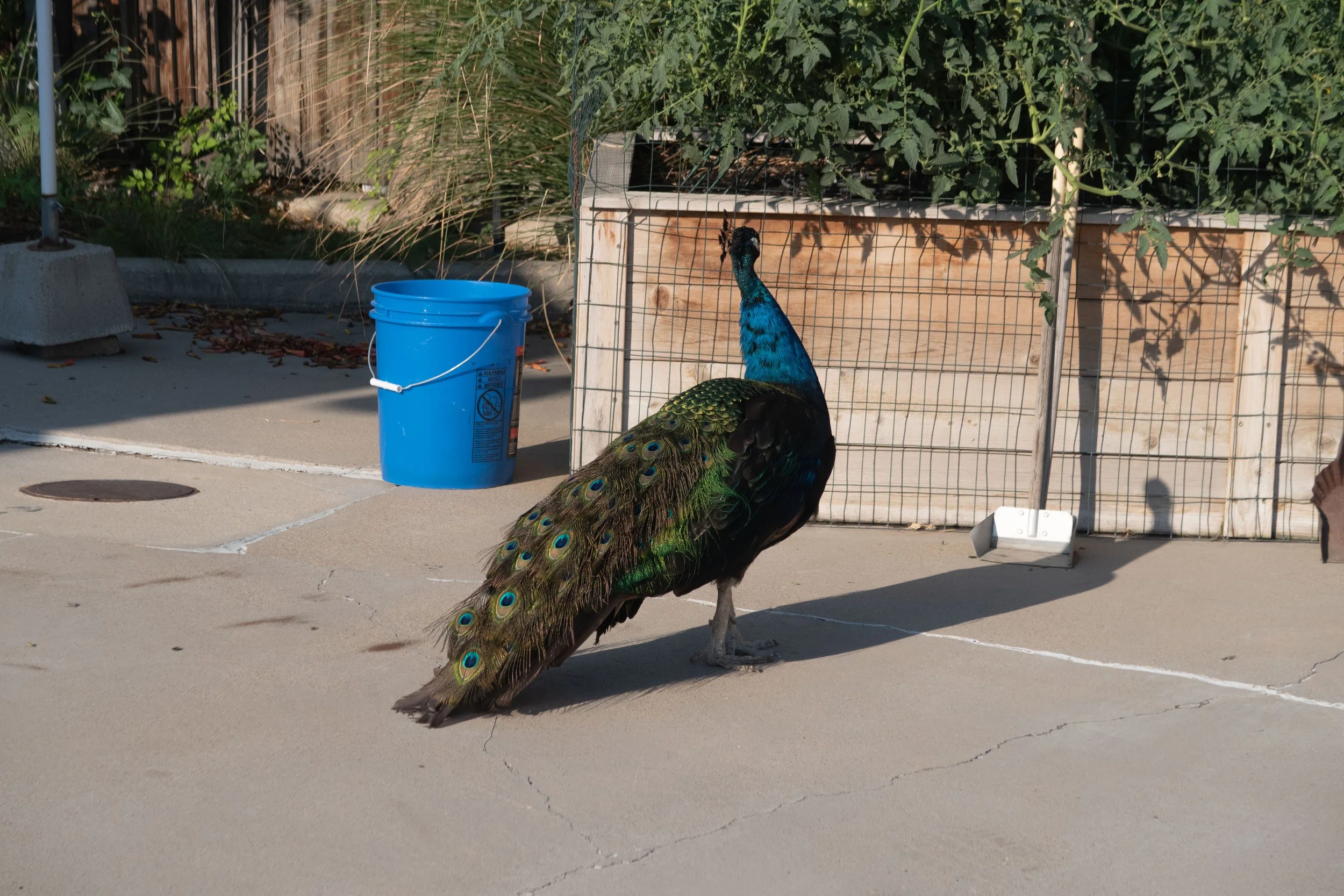
And just as I was thinking this, the ruffle of feathers caught my attention, and I turned my head to see a peacock strutting towards us. It stood in such baffling contrast with the concrete beneath its feet, on that suburban street, in the Utah heat. Vibrant and ethereal in the blaring sun, it felt more like a vision or a mirage than reality. And it was within this hazy feeling of surreality that the old woman, along with two older men, guided us to the pyramid.
The door opened with a click of a button, upwards, in a way that I can only describe as similar to the way a UFO door opens in a Sci-Fi movie, or how the doors open on a more expensive Tesla. We stepped inside the pyramid, one by one, and after we made it through, the door lowered behind us, until it was nothing but an outline on the wall. In this way, no natural light made its way inside the pyramid, not a crack, not a sliver. Maybe that’s what made the atmosphere feel so dreamlike and so liminal, like you were halfway between consciousness and sleep.
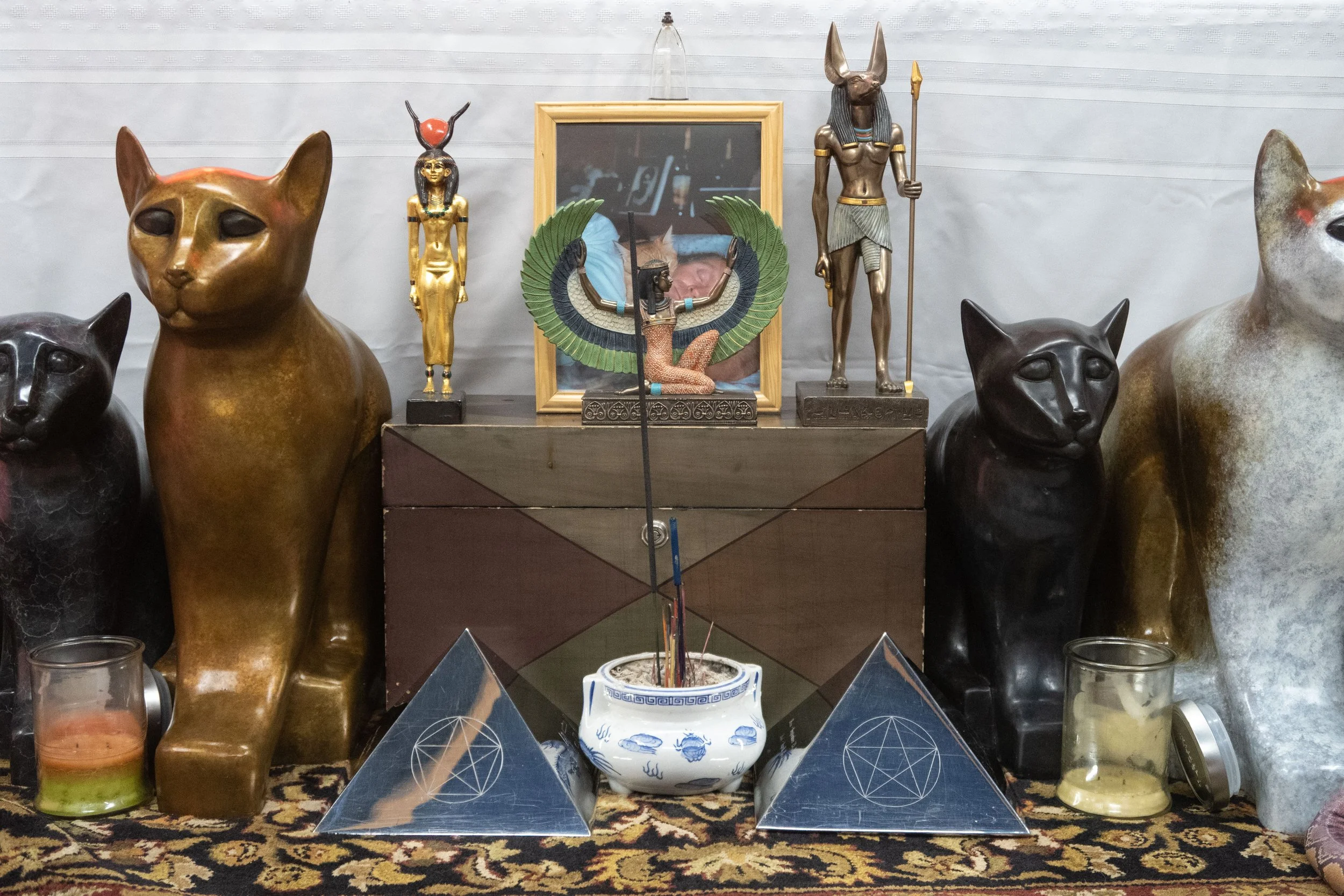
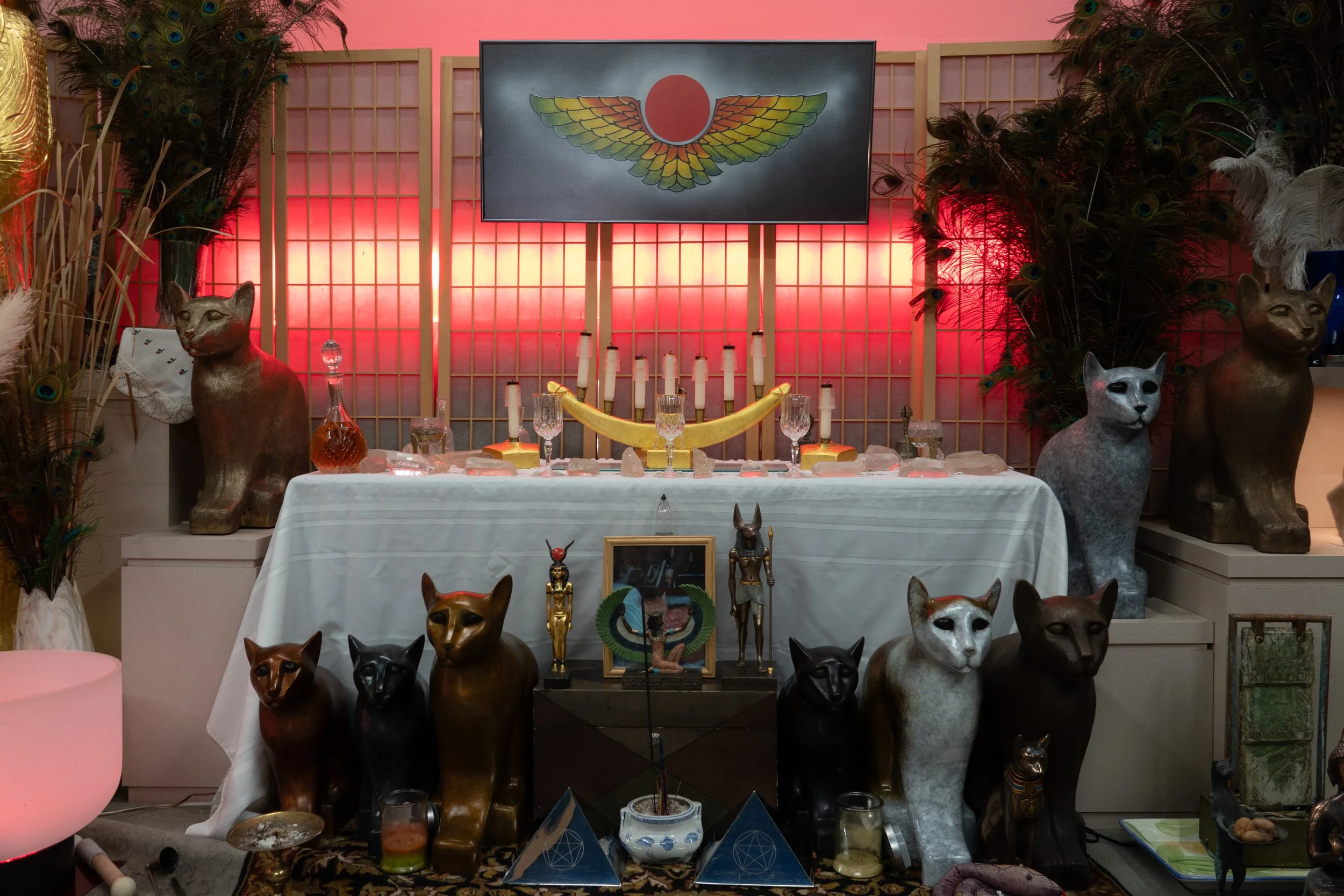
The only light occurred from artificial LEDs that backlit an altar, decorated haphazardly with a scattering of crystals, candles, photographs, and Egyptian sculptures. Behind the altar there were two large bronze vases, overflowing with peacock feathers. There was a set of maroon couches, forming a semicircle around the altar, and a persian carpet covering the floor.
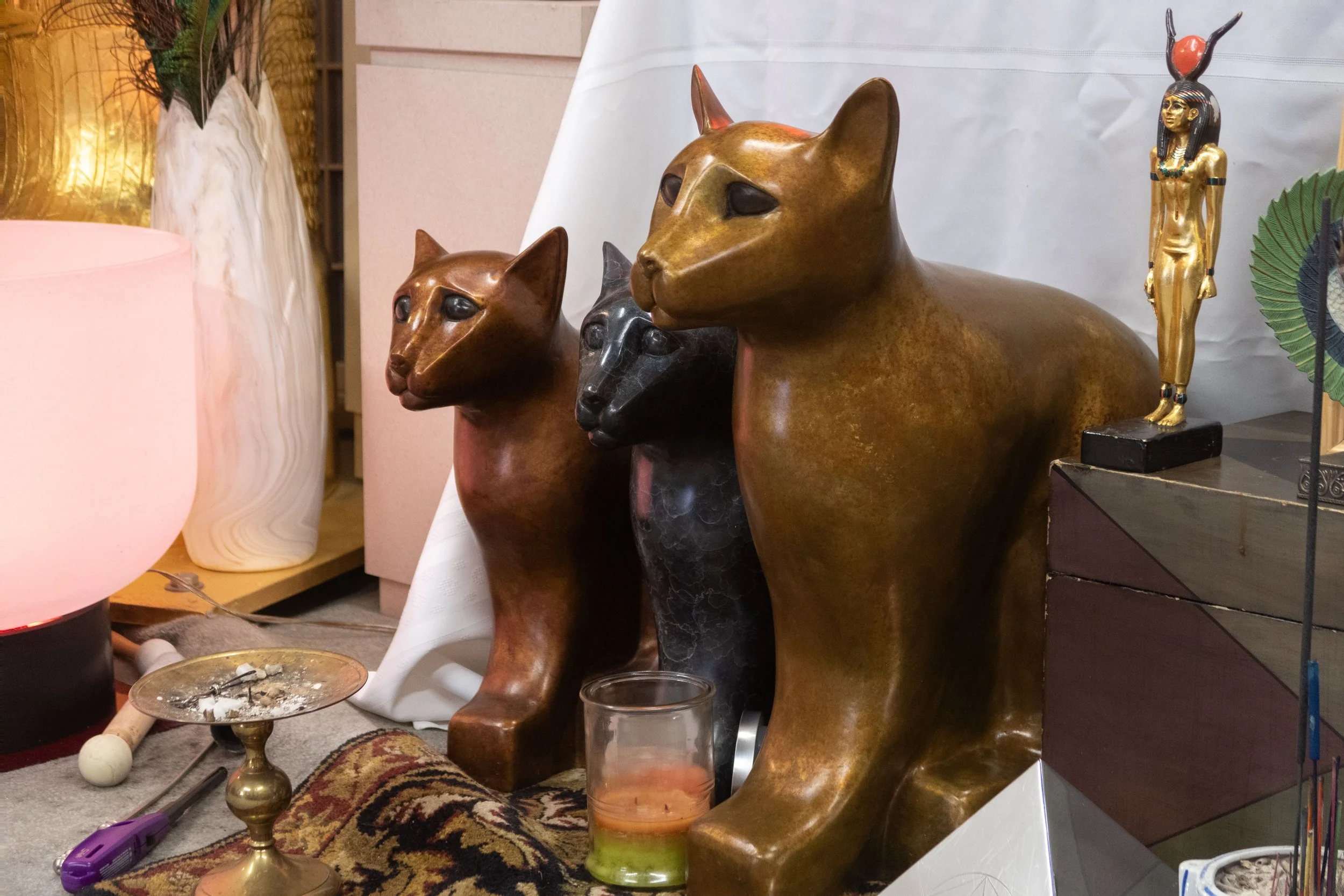
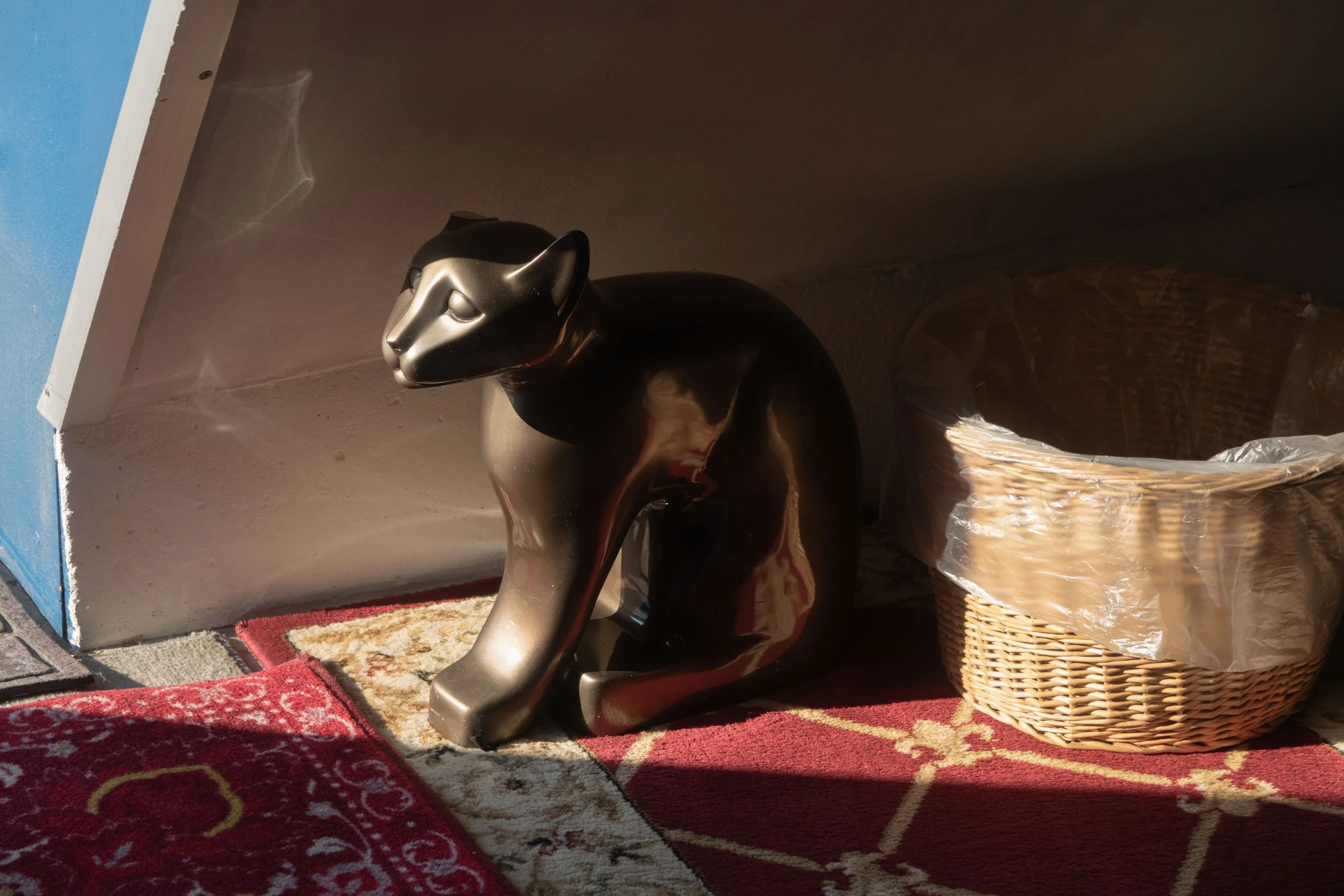
I sat down, sinking into the soft springs of a couch that had probably been used for decades. Right next to my feet, there was a bronze sarcophagus of a cat, containing, beneath the thick layers of metal and resin, a mummified cat. In fact, the whole room was chock full of mummified cats. They were gathered around the altar, around the couches, by our feet. There were at least a dozen of them, of all different sizes, and a mummified doberman, cast in bronze, who sat stoically by the door.
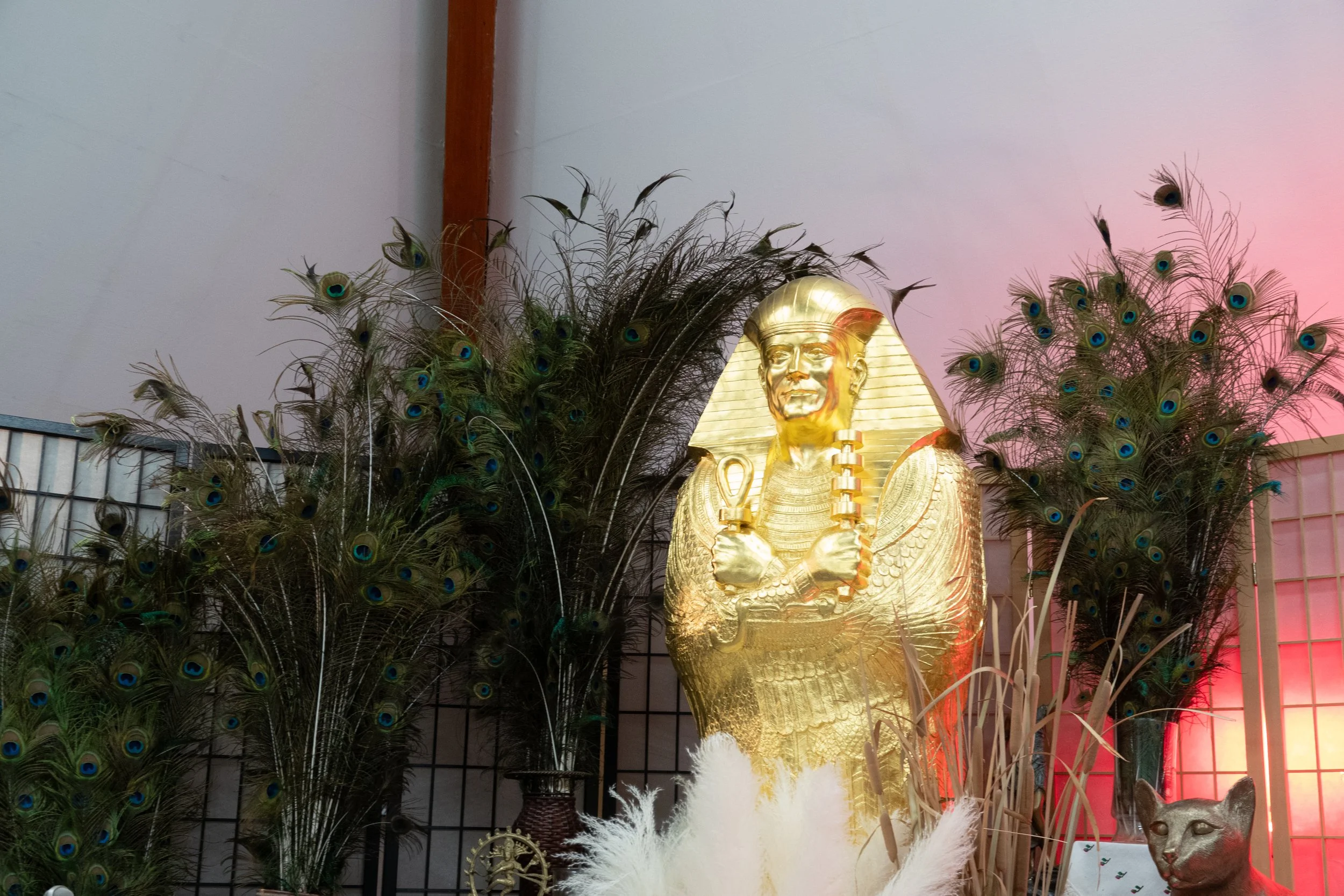
Ten feet away from where I sat on the couch, in the center of the room and to the left of the altar, was the only human mummy. The man was the founder of the religion, and he stood before me in a sarcophagus, his once living face cast in bronze. His eyes turned metal, gazed upon me, gazed upon all of us. He had died just two years after I was born, and had sat embalmed in that sarcophagus on display in the pyramid since 2008.
And maybe I should have found it more bizarre, to be in the same room as a corpse. Maybe I should have felt more off-put by the myriad of dead animals that surrounded me. But I kept looking into the eyes of the people before me, whose belief seemed so incredibly earnest and genuine, that I felt there was something deep and honest in the depths of it. I wanted to explore that. I wanted to find the core of beauty that devotion so often digs its roots in.
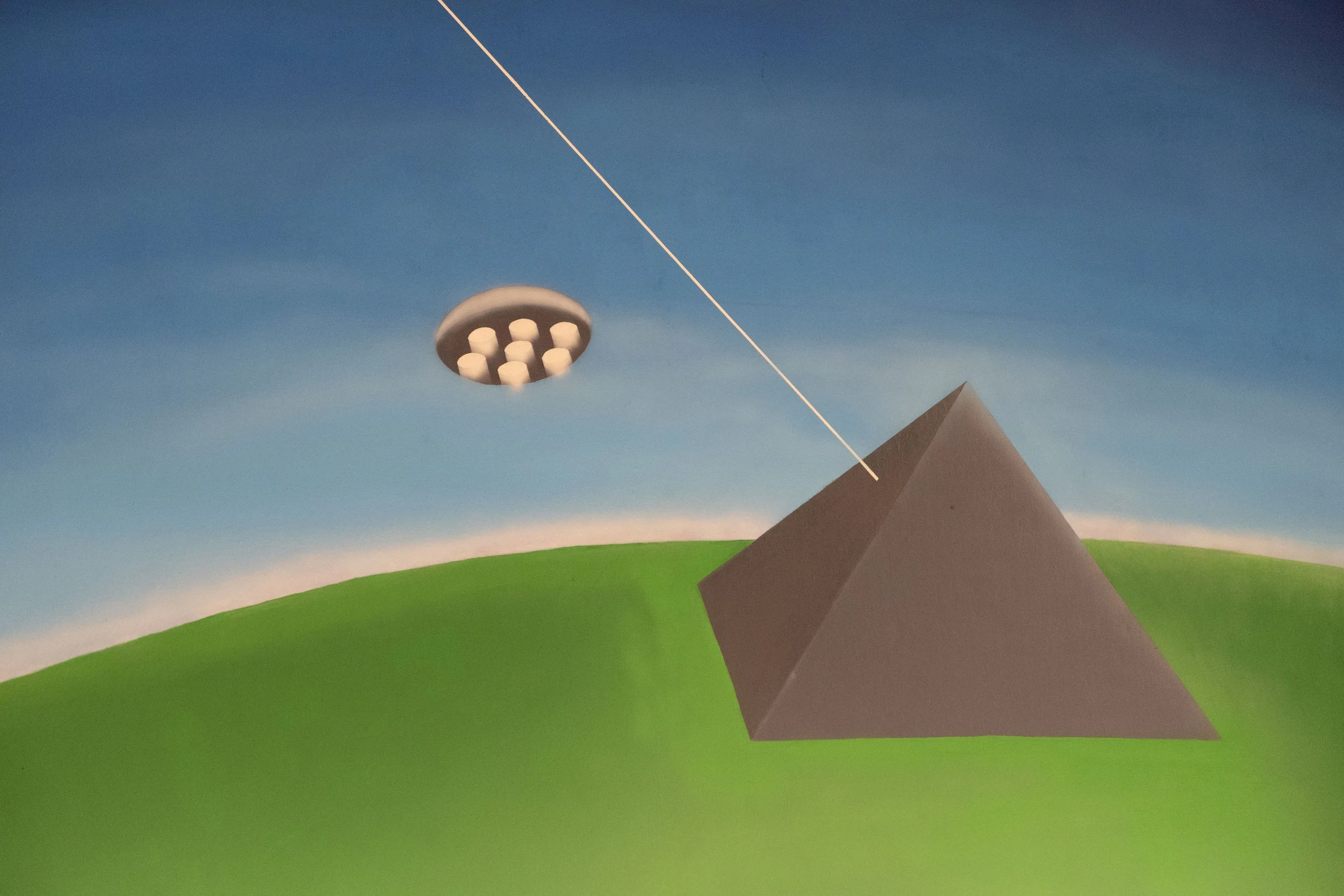
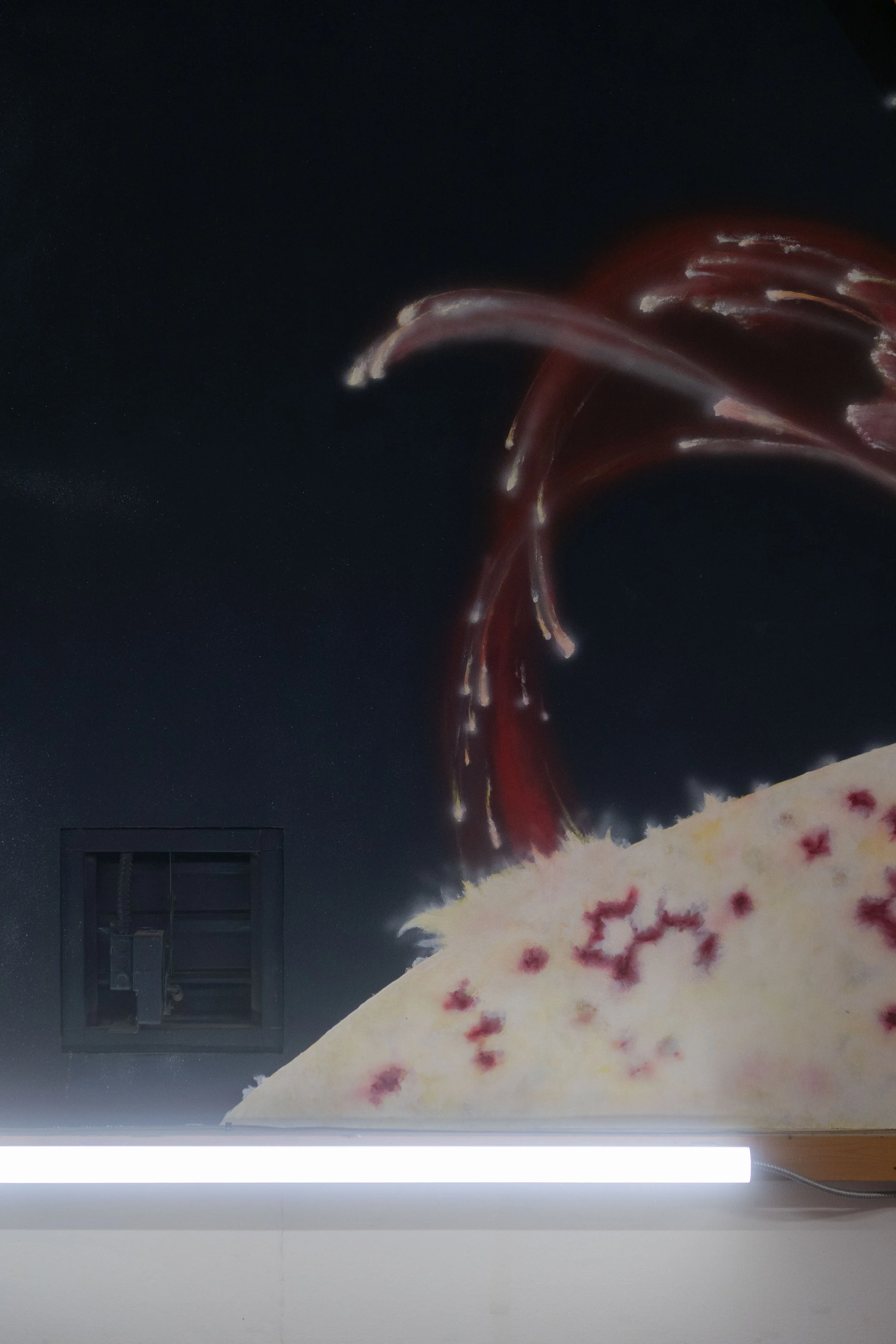
On the top of the pyramid were murals of stars and space and the universe. One of the men looked me intently in the eyes and told me about creation: first there was nothing and then there was possibility. The world was created in a divine proportion and the universe ran to a particular vibration, a specific thrum. The founder learned all this when he had his first encounter with extraterrestrial beings. One of the members motioned proudly to a UFO he had painted on the ceiling. The UFO, when looked at from the right angle, was also a portal. A portal to the next life, a transformation, a journey only guaranteed by a bronze sarcophagus, a mixture of chemicals, and the unyielding power of belief.
Because the founder had encountered these extraterrestrial beings, he became enlightened to the secrets of the universe.
The secrets of the universe involved gratitude, they involved sitting and breathing and meditating and disinvolving oneself from the emotion and hullabaloo of the everyday. It involved taking the time to learn yourself.
It involved looking up at the branches of a tree, spindling upwards and outwards, stretching and reaching into the bright blue sky for light, like little hands reaching for love from a mother. It involved looking at that tree and seeing God there. It involved looking up at the sun, looking at it when it’s bright and warm like a flash of a smile on a Sunday afternoon. Looking at it when it's but a dying ember in the sky, casting fire and shadow on a Utah valley, turning the city and the surrounding mountains a warm pink. It involved looking at that sun, and seeing God there.
“It’s in the feeling,” one of the men tells me, in the feeling.
And maybe that all is better than how I was raised, looking to the sky and expecting wrath, looking to the sky and expecting judgment and death. Maybe it’s better than how a lot of us were raised, walking down the street and expecting a wrathful God above, and a fiery pit below. It still lingers like a pit in the fruit of my body, that religious guilt, that shame. But I like to think sometimes, maybe as the wind rustles the leaves on a tree, or as I spin around to adore the stars on a cool, lost night, that whatever is up there, is kind.
As a wise man under a pointed ceiling once told me,
“Creation is a creative force, it does not judge you.”
————————————————————————————————————————————-
Words: Shawna Lynn Ashley
Photos: Alisa Karesh, Inseo Yang
Design: Christina Kan, Shivani Dodamani