Where the Light Does Not Reach
Navigating the Maritime Museum of San Diego
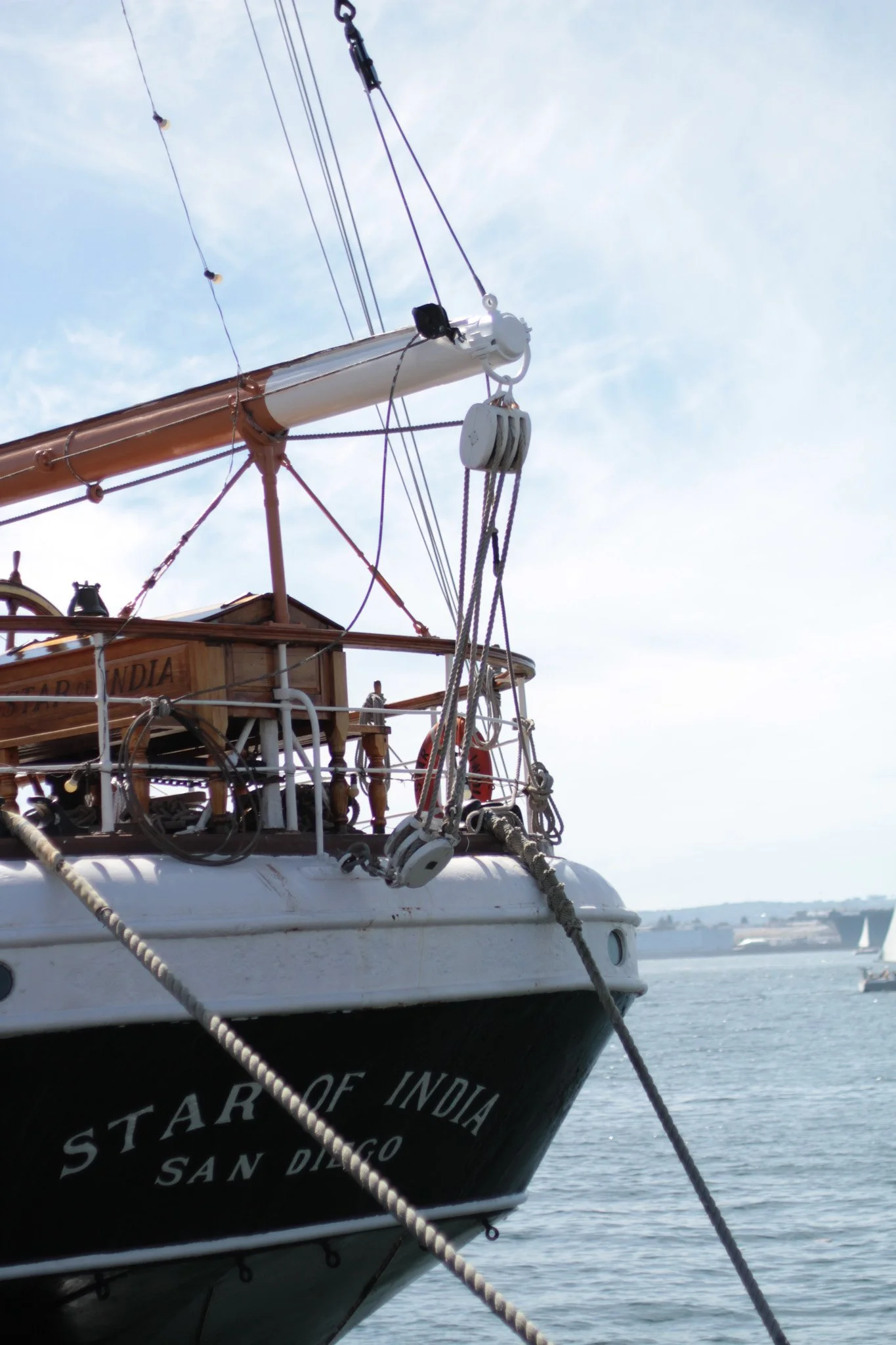
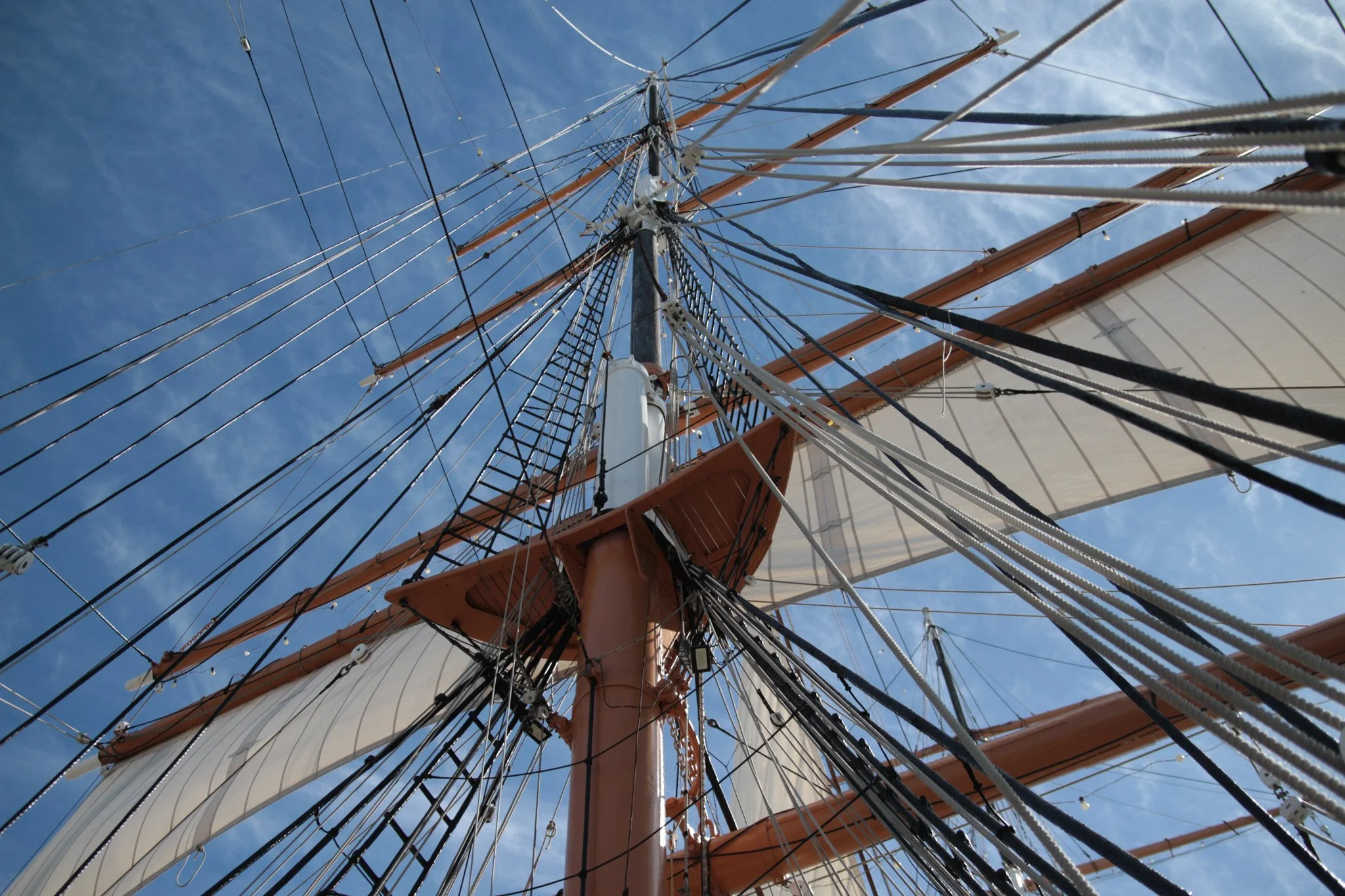
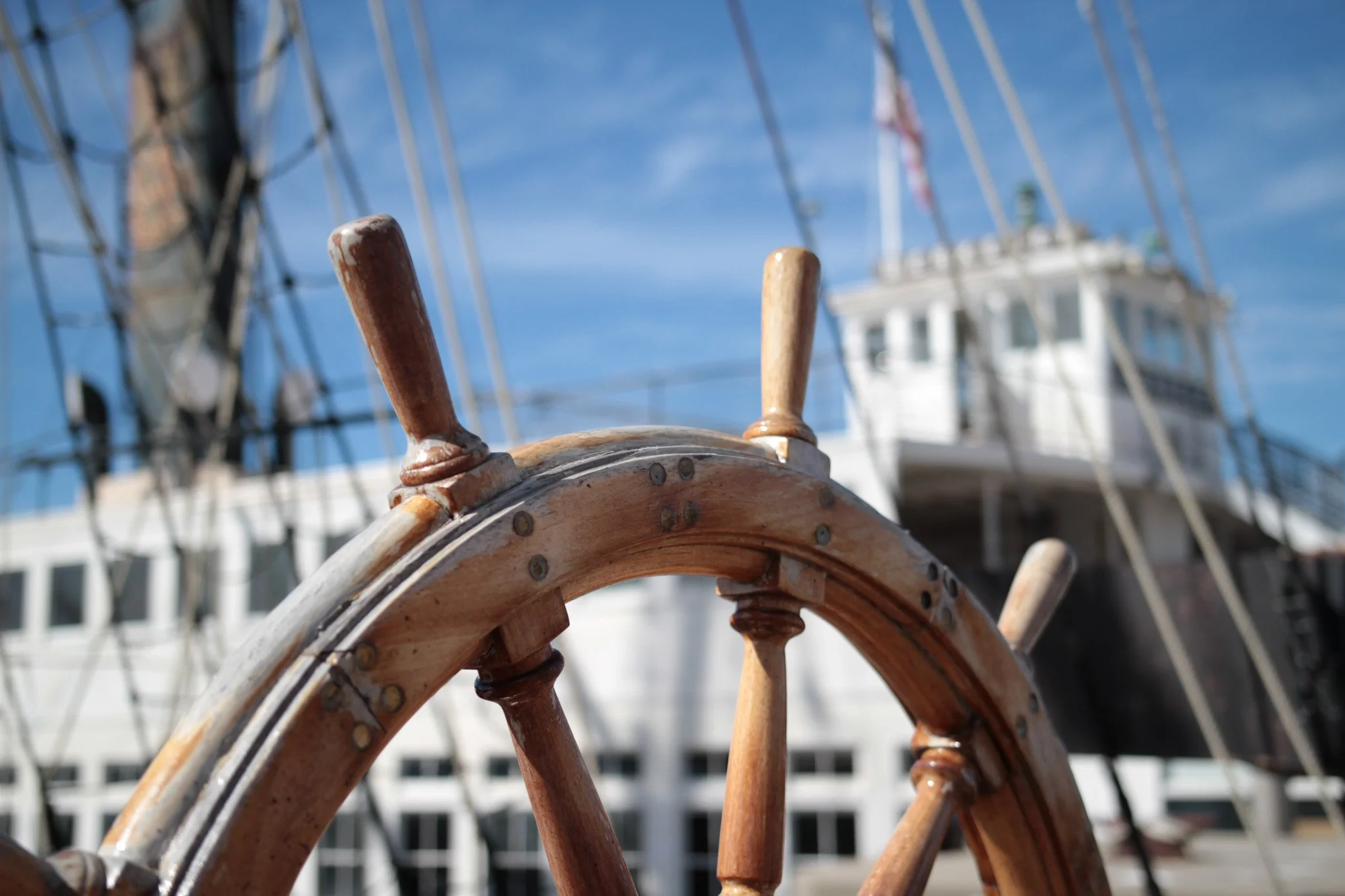
The ship is hulking. This gargantuan figure is the Star of India. The wheel at the mast gleams like a black eye, etched with red lettering. An incredible artifact from history alive at the San Diego port, the ship watches over the tourists scurrying on the boardwalk trying to get tickets.
The Star’s home is the Maritime Museum of San Diego. When we arrive, we are greeted by a smiling museum employee who tells us that we can get half off the exorbitant price if we bring a pamphlet from one of the city’s public libraries. We careen out of the parking lot and make our way to the nearest branch. This is not like the public libraries I have at home. Floor to ceiling windows, a gift shop, a huge parking lot that’s relatively full —- it puts a warm glow in my heart to know that many people choose to spend their weekend here. There are eight floors packed with books and knowledge and even art installations. The information from classic literature to Asian history is accessible here, for everyone and anyone. With the half-off ticket, we can enter the Maritime Museum with a little less anxiety about the original price.
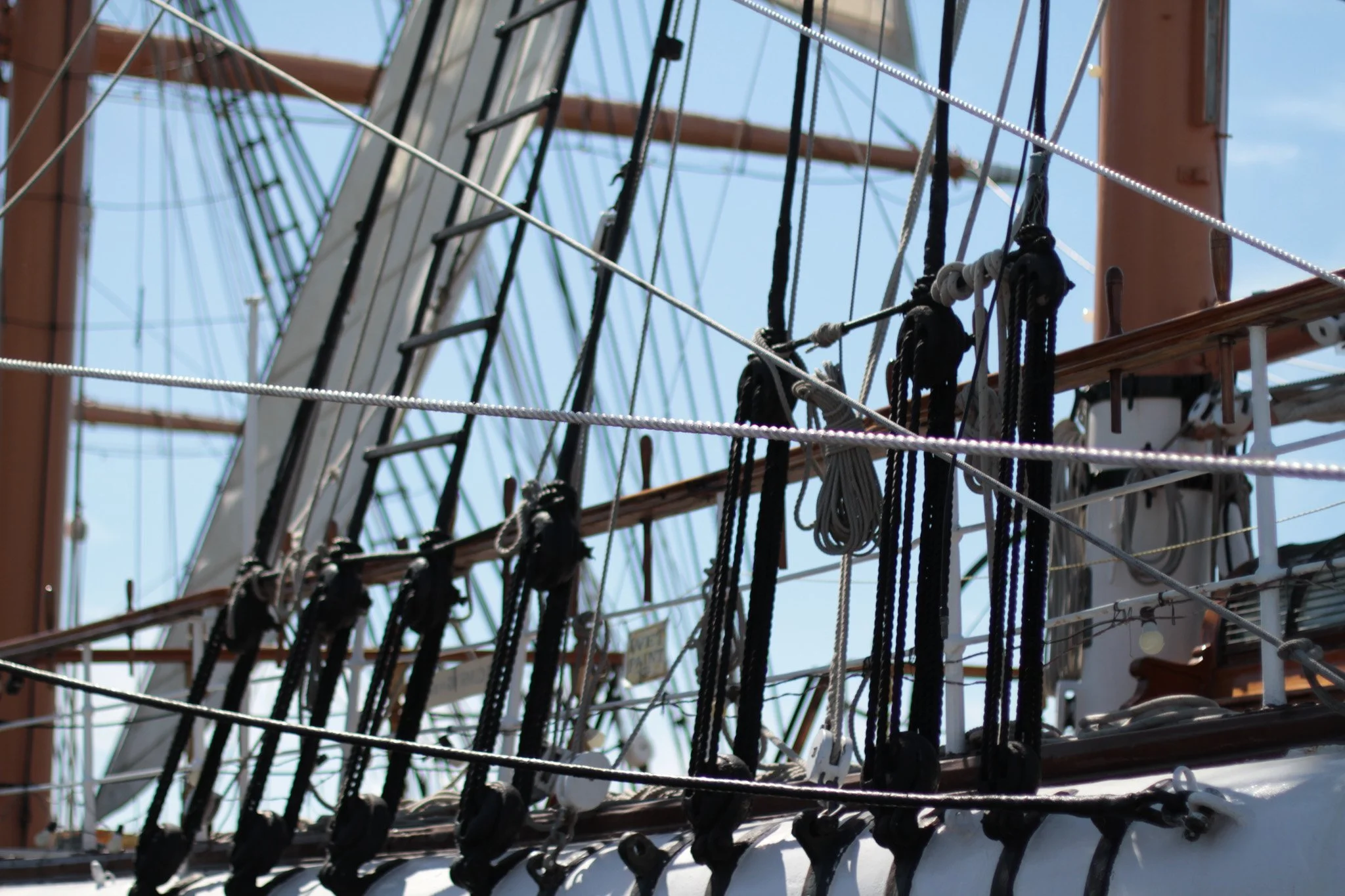
When we return to the Maritime Museum, we immediately board the Star of India. A smaller boat zips by, blasting 2000s pop music as happy-go-lucky tourists sway on deck. They whoop in the direction of the ship I am standing on, the Star of India. The contrast is not lost on me; it is like time temporarily warps as I am on the world’s oldest active sailing ship while the very modern pontoon bobs like a glittering insect. Above deck, blue sky and white sails envelope me. Below deck, the light is softer, muted by the dark wood-paneled walls of the captain’s chambers.
This particular ship is only one facet of the Museum’s might on the water. Further down the docks is the USS Dolphin, a submarine used for deep sea research. Back in its day, It dove to new depths, down below where the light cannot reach, a singular window into an other-wordly dimension. It broke records in 1968 by diving three thousand feet into the inky coastal waters. Its accomplishments included sonar systems, sea to air communication, and novel warfare tactics. Now, tourists and families with babies in strollers point excitedly at the stairwell that leads into the submarine’s interior. Everyone wants to see what the ‘explorers’ saw those decades ago.
I imagine that the submarine and its counterparts around the world were not kind to the ocean floor: tonnes of litter are dumped and sink to the ocean floor every year. In Southern California, scientists have discovered that torpedo wire and naval debris constitute a large share of the waste that ghosts along the seafloor. Amongst the cold seeps and the underwater mountains called seamounts are the products of decades of decay–whispers of the destructive forces that left them there in the first place.
I rip my gaze away from the war submarine, searching for a breath of fresh air. In contrast to the moody submarine is the flamboyant, decked out ferry, The Berkeley. I smile to see a little piece of home in front of me in San Diego. The ferry was once the largest commuter vessel in the San Francisco Bay. It rescued thousands of people after the 1906 San Francisco earthquake, bringing them to safety.
The first floor of the ferry is a museum about the ferry’s activities as well as the seaside communities that operated out of San Diego. Each community gets a neat plaque. The Portuguese fishing community hauled tuna in the port while the Japanese community wielded flexible bamboo poles and feathered hooks they called ‘squids.’ These techniques brought over from Japan helped protect the quality of the catch and increase their fishing efficiency. Additionally, the Issei, first generation Japanese immigrants, tossed live bait into the blue waters below to attract larger fish. I imagine the fish raced towards the feed not knowing what fate awaited them.
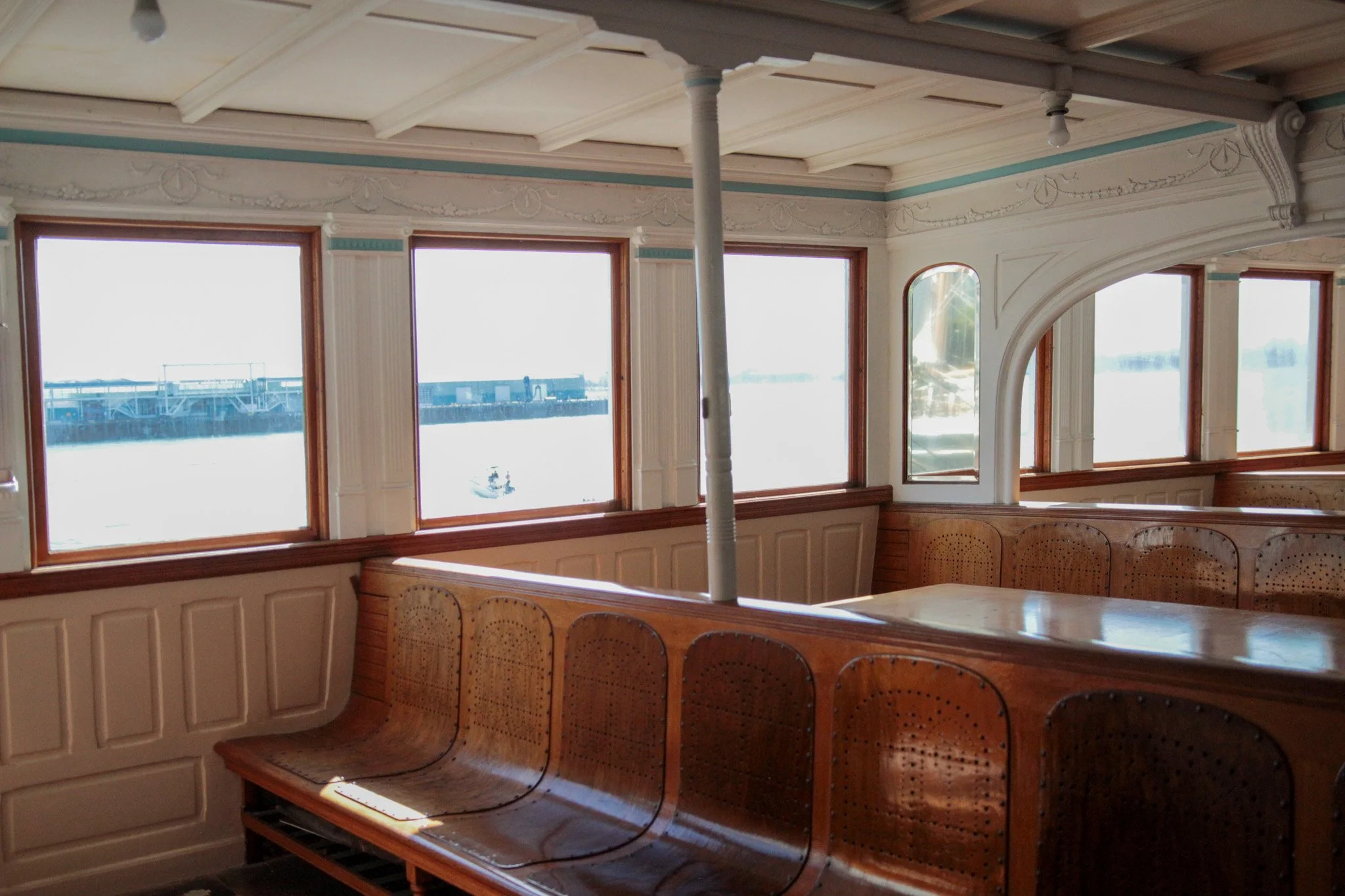
Above the ferry’s museum is a massive, rectangular hall with warm amber floors and stained glass windows. The light fractures like a kaleidoscope: I recall memories that aren’t mine: dancing shoes and swinging dresses and happy mouths sipping cold lemonade in the sun on the blindingly white deck. Band music echoes from somewhere. Today, you can book the ferry for corporate events or even weddings. It continues to serve modern communities despite having been built over 120 years ago.
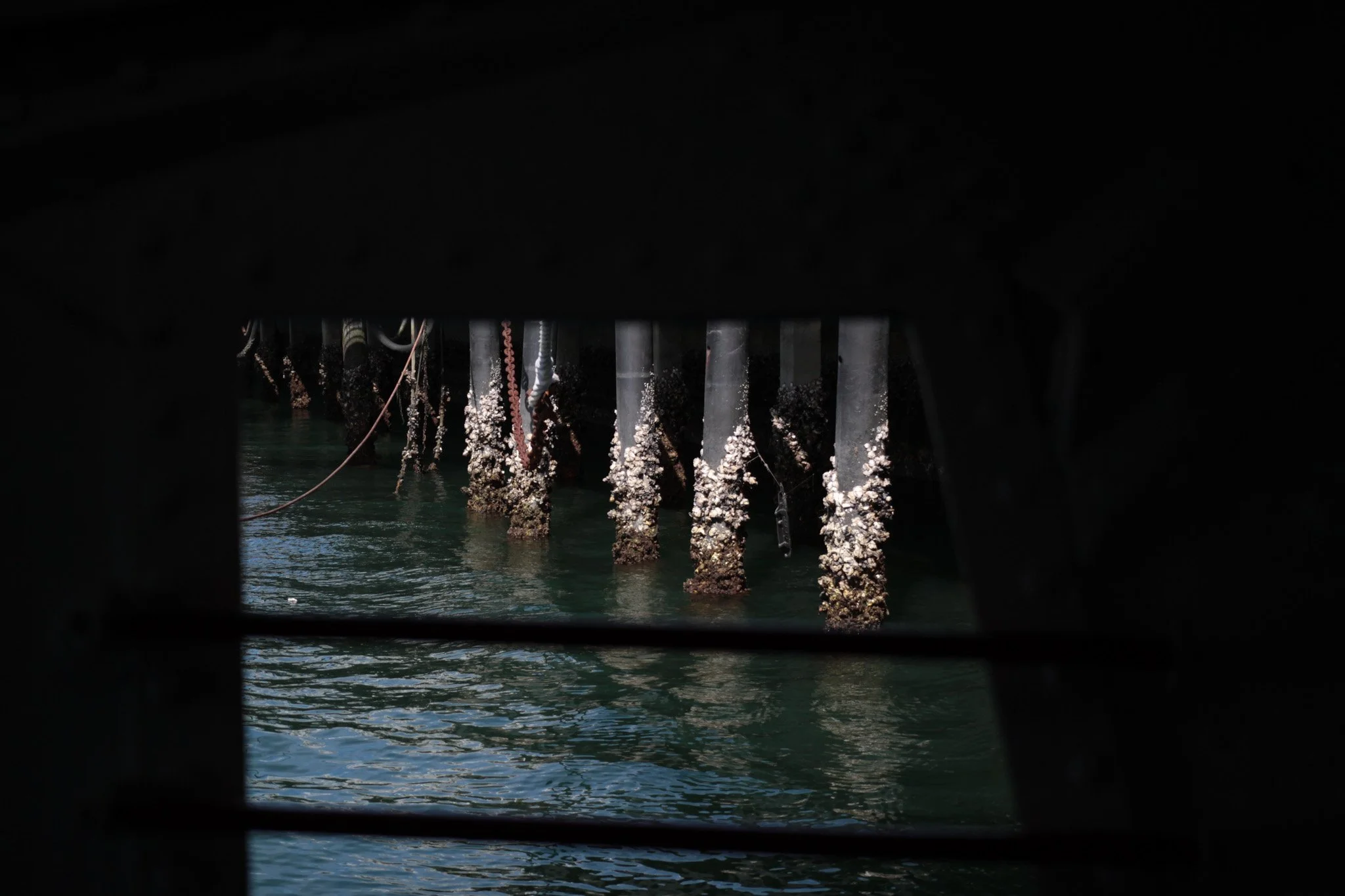
Dance. Science. Warfare. History. Community. These shapes coexist, entangle, intertwine. Though the USS Dolphin served primarily as a research vessel, its intentions were not all benevolent. As a museum visitor, I feel it is necessary to hold many truths at once that these ships were key features of the city’s maritime history, but had both negative and positive effects on the neighboring sea and its people. I find the museum a fascinating snapshot in time, perspective, and collective understanding of what really happened on these shores. We are only shown what the light is thrown onto. But what are we missing where the light does not reach?