The Salt Lake City Issue
Utah as a promise and paradox
an exploration of migration, safety, and belonging
Peril
The human nervous system is the body’s first line of defense. It detects danger before we can fully understand what’s wrong, sending the brain into fight-or-flight. The heart races. Adrenaline surges. Muscles tighten. These mechanisms tell us what to do next to survive.
In college, these threats show up as exams or job posts on LinkedIn, urging us to prepare, plan, and endure. But beneath that, the nervous system is an heirloom. The amygdala, the brain’s alarm bell, belongs to more than one person. Mine carries my mother’s, and hers carries her mother’s, and so on. Each endured different hardships, learning to recognize danger in its many vicious forms. Each learned when to leave and where to start again. It’s a continuous cycle that defines the human condition:
Peril
Promise
Crossing
Belonging.
Promise
Utah is a paradox.
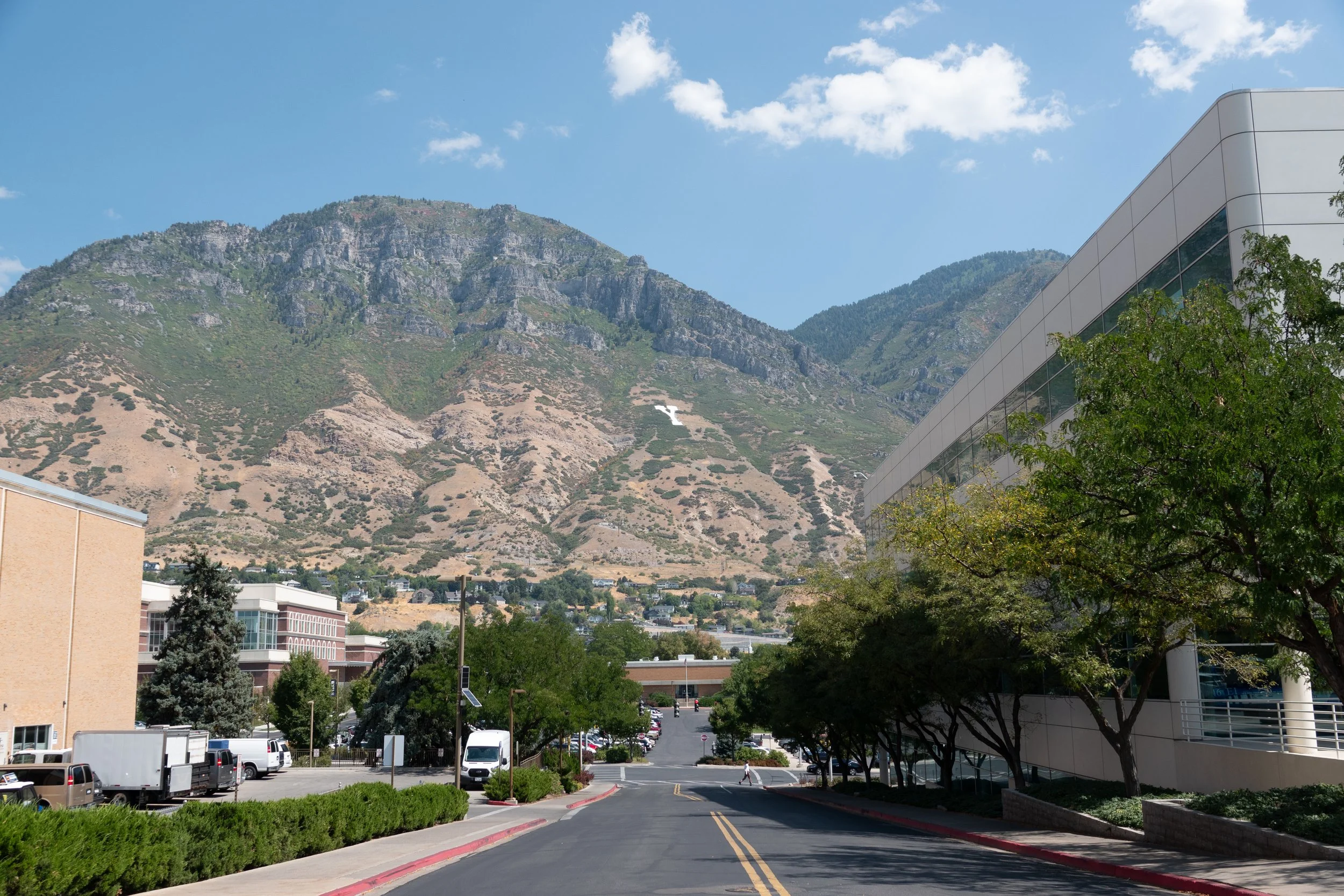
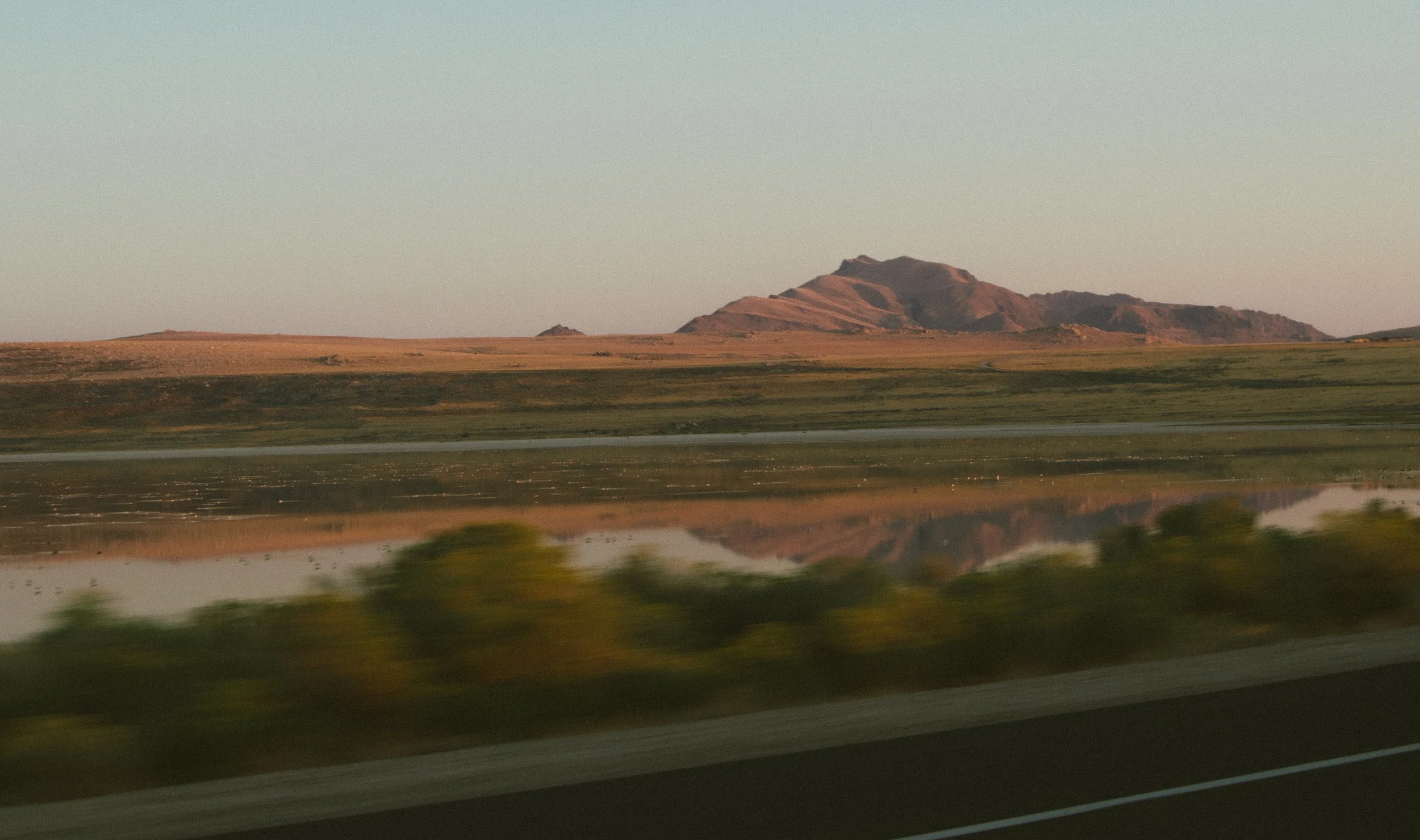
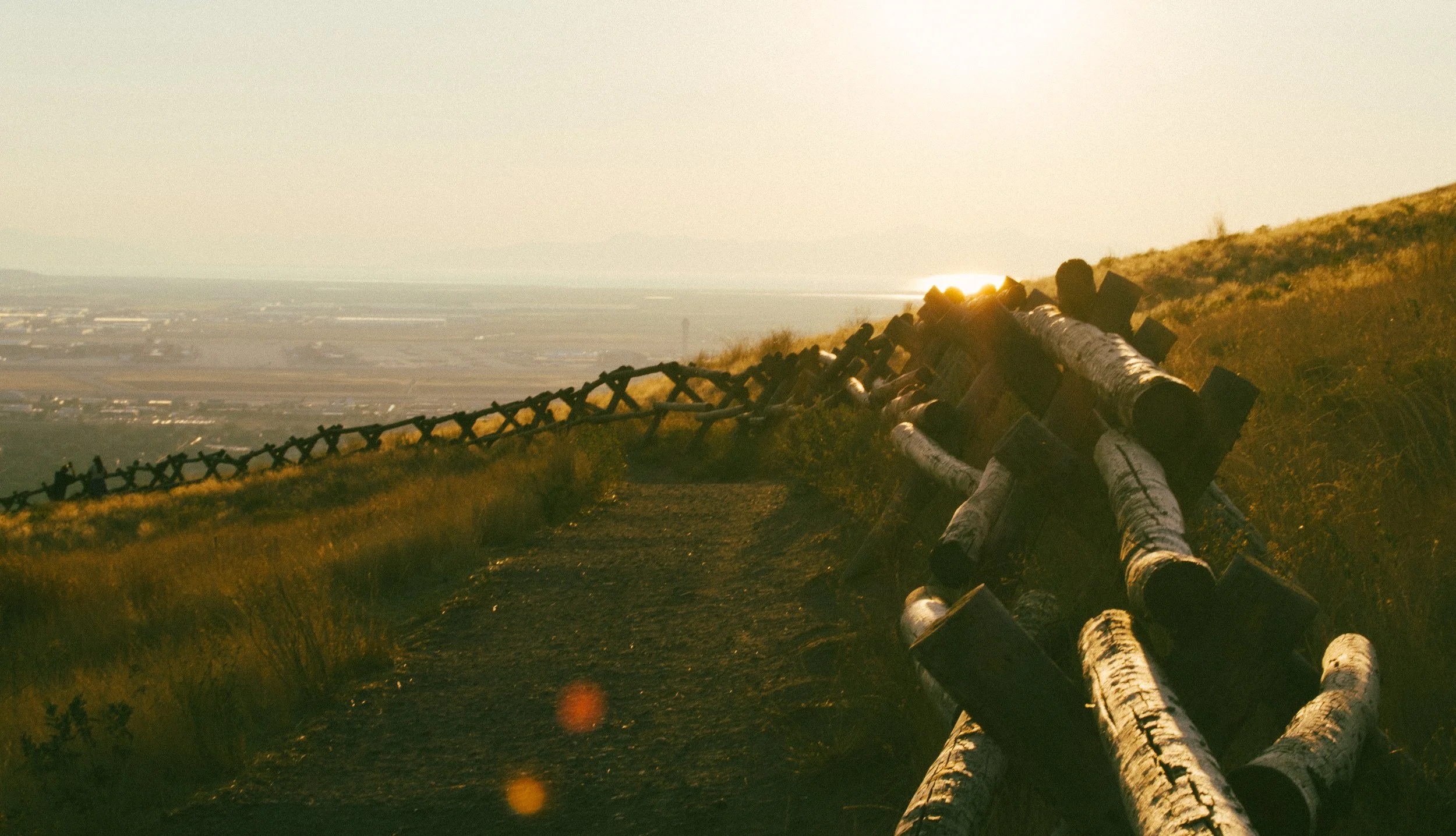
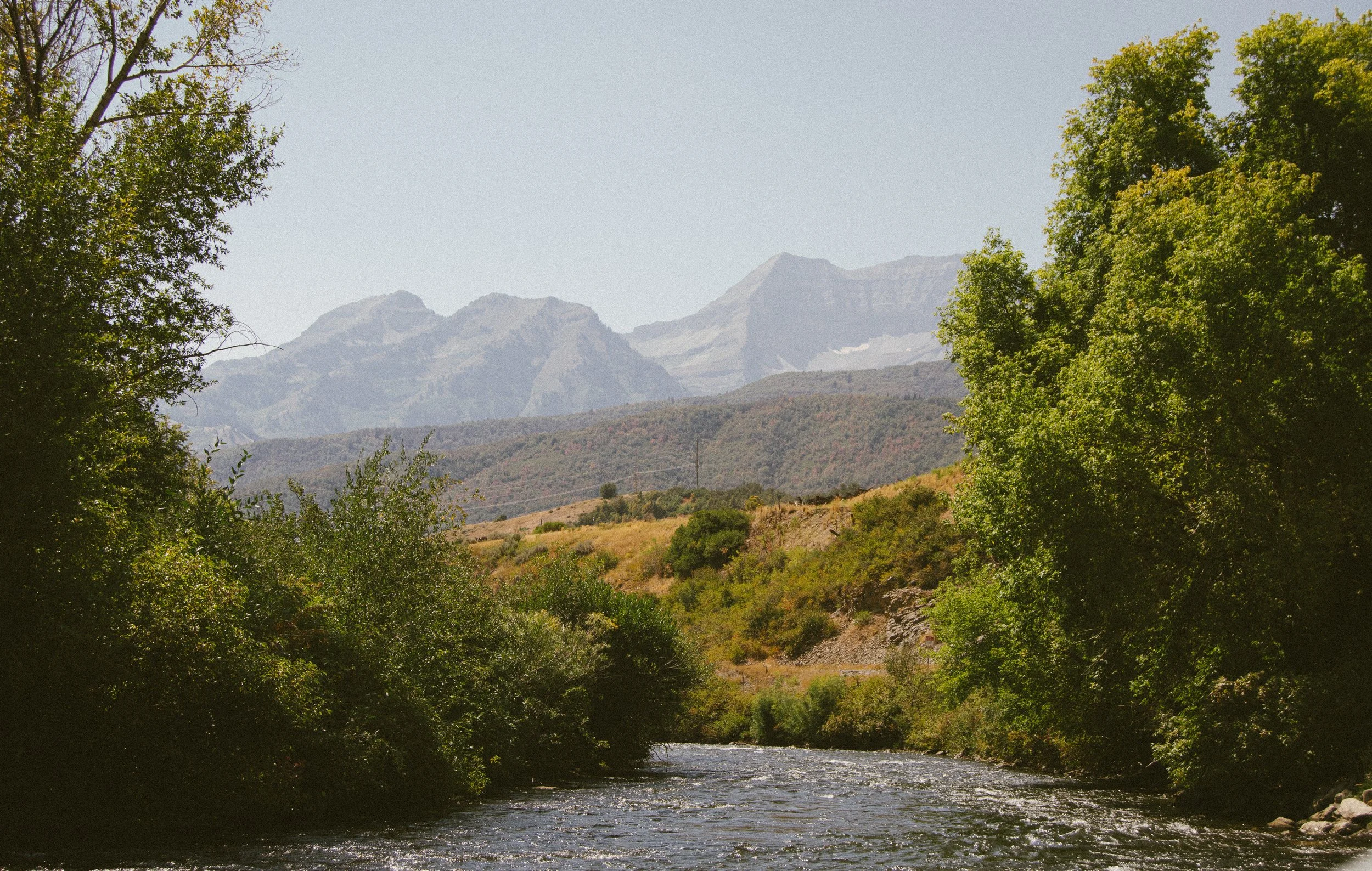
The rhythmic hum of my car gently awakens me as I guide my group toward Place Heritage Park. Rays of heat sneak through my window, landing on my arm like small, insistent taps. My eyes move between the speedometer and stoic mountains rising across the highway. Every few seconds, I trace their jagged ridges, cracked earth, and sharp slopes that look as if the rain forgot about them.
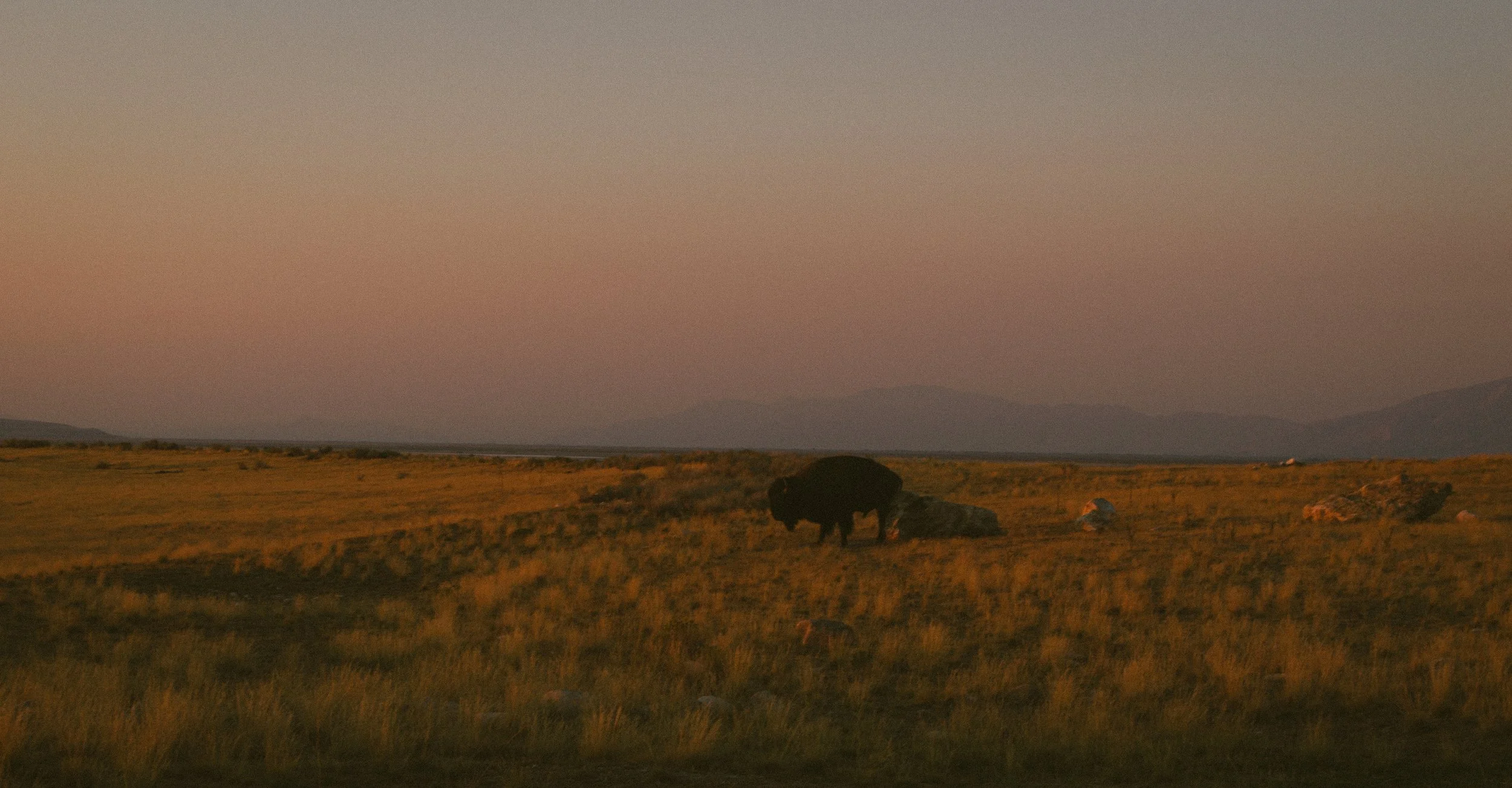
The more I learn about Utah’s landscape, the less it seems to make sense. The lake is too salty to drink. The land is stubborn and dry. The heat is unforgiving. Yet, people built a life here. First the Ute, the Paiute, the Navajo, and later, the Mormons.
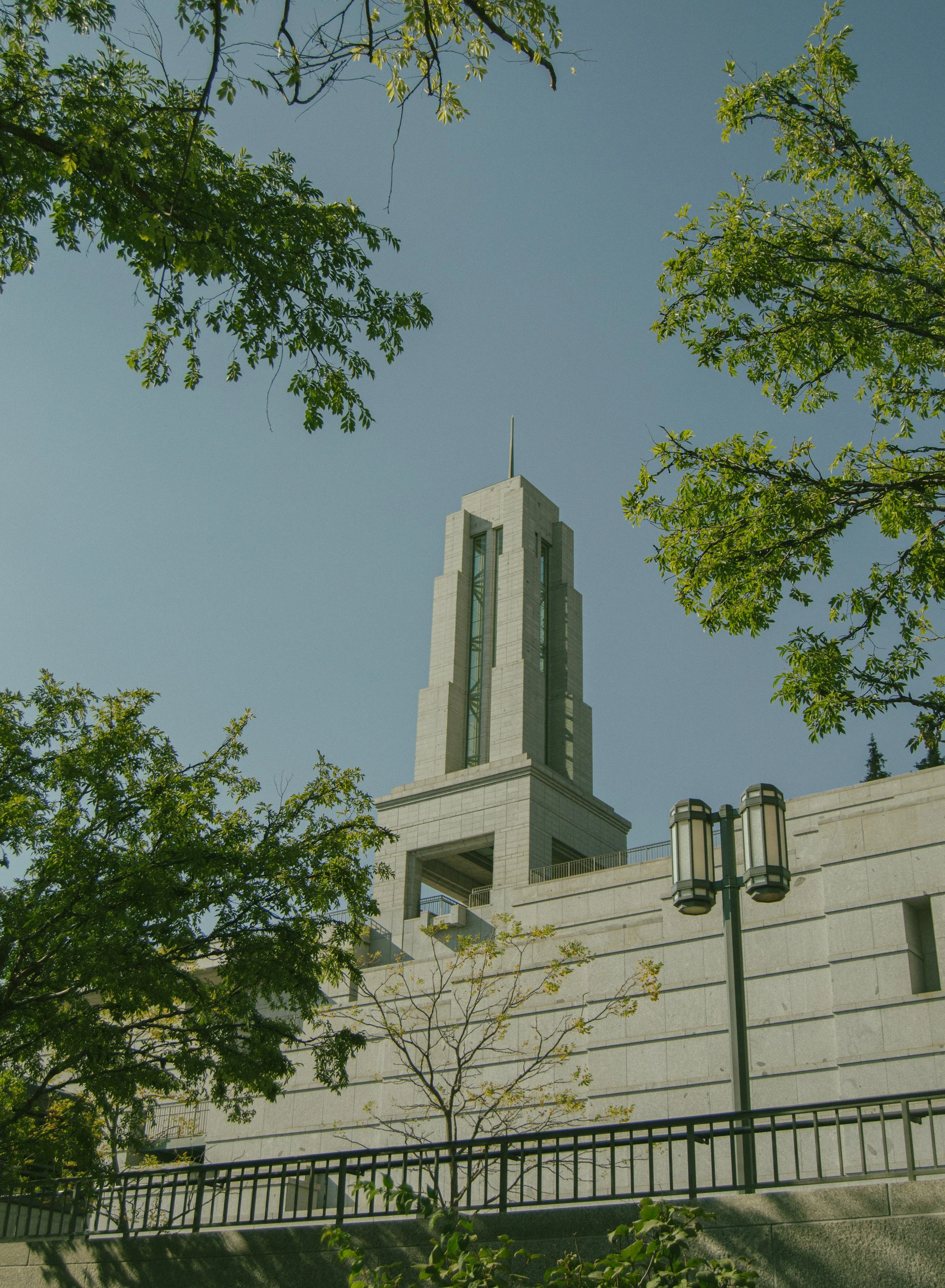
In the 19th century, members of the Church of Jesus Christ of Latter-day Saints were driven out of New York, Ohio, Illinois, and Missouri, persecuted for their beliefs. Joseph Smith led what became the Mormon exodus, where thousands of Mormon families crossed deserts and frozen plains searching for refuge. When they arrived in Utah, they made it their promised land: a home built on faith and fragile hope. Today, more than 3 million people live here, with nearly half identifying as Mormon.
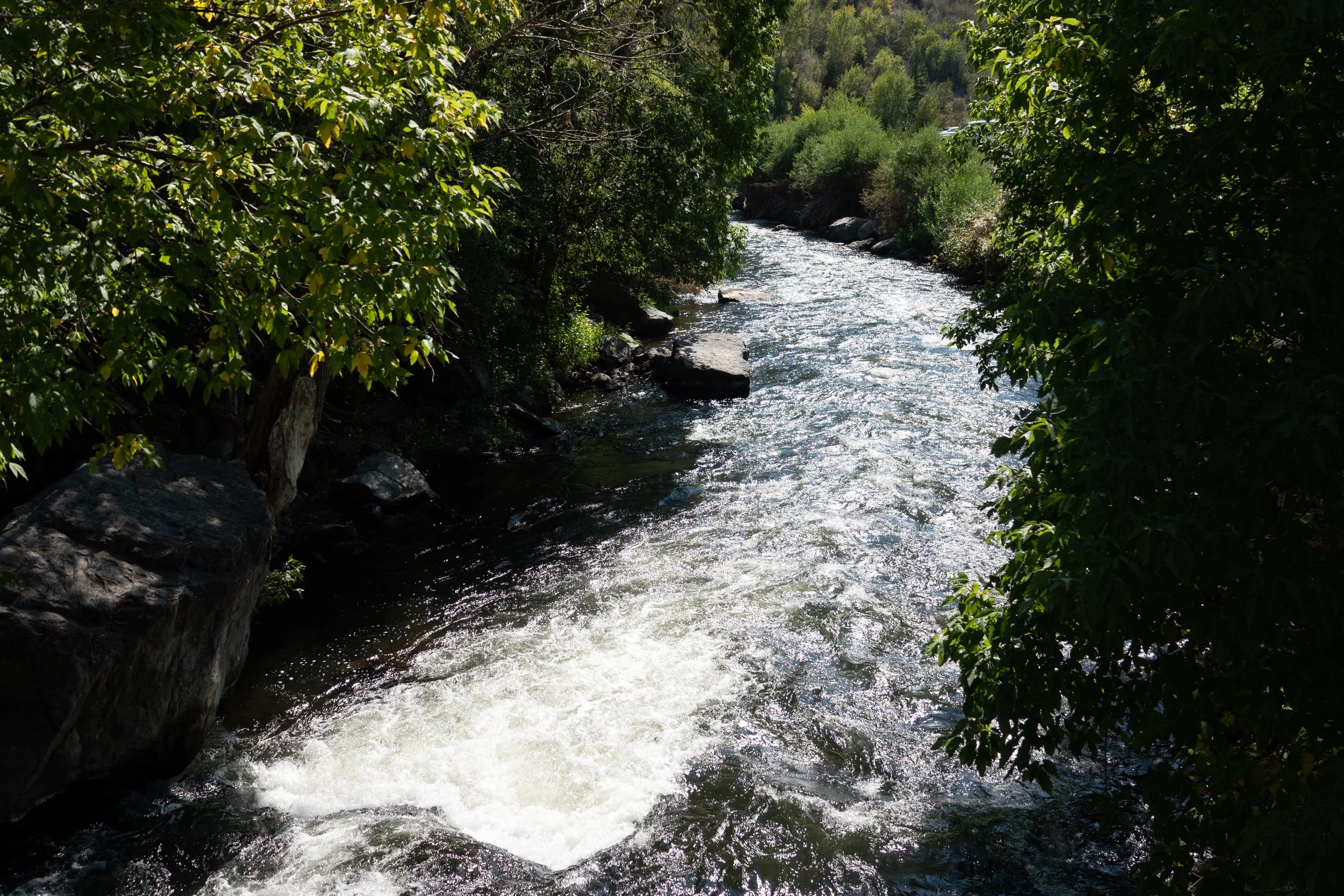
From afar, history reads cleanly. Dates and migration patterns are found neatly pasted in textbooks and etched on the park’s plaques. But up close, tension emerges between what Utah inherently is and what people made it to be. I often catch myself asking why people kept going, what made them persevere to make this their home. As I wander through the park’s exhibits, I’m reminded by statues of Mormon children playing alongside a small, built-in river, of bronze figures standing mid-stride while holding tiny hands, whispering the same answer:
to keep my family safe.

Crossing
There’s a spiritual echo in the word “crossing.”
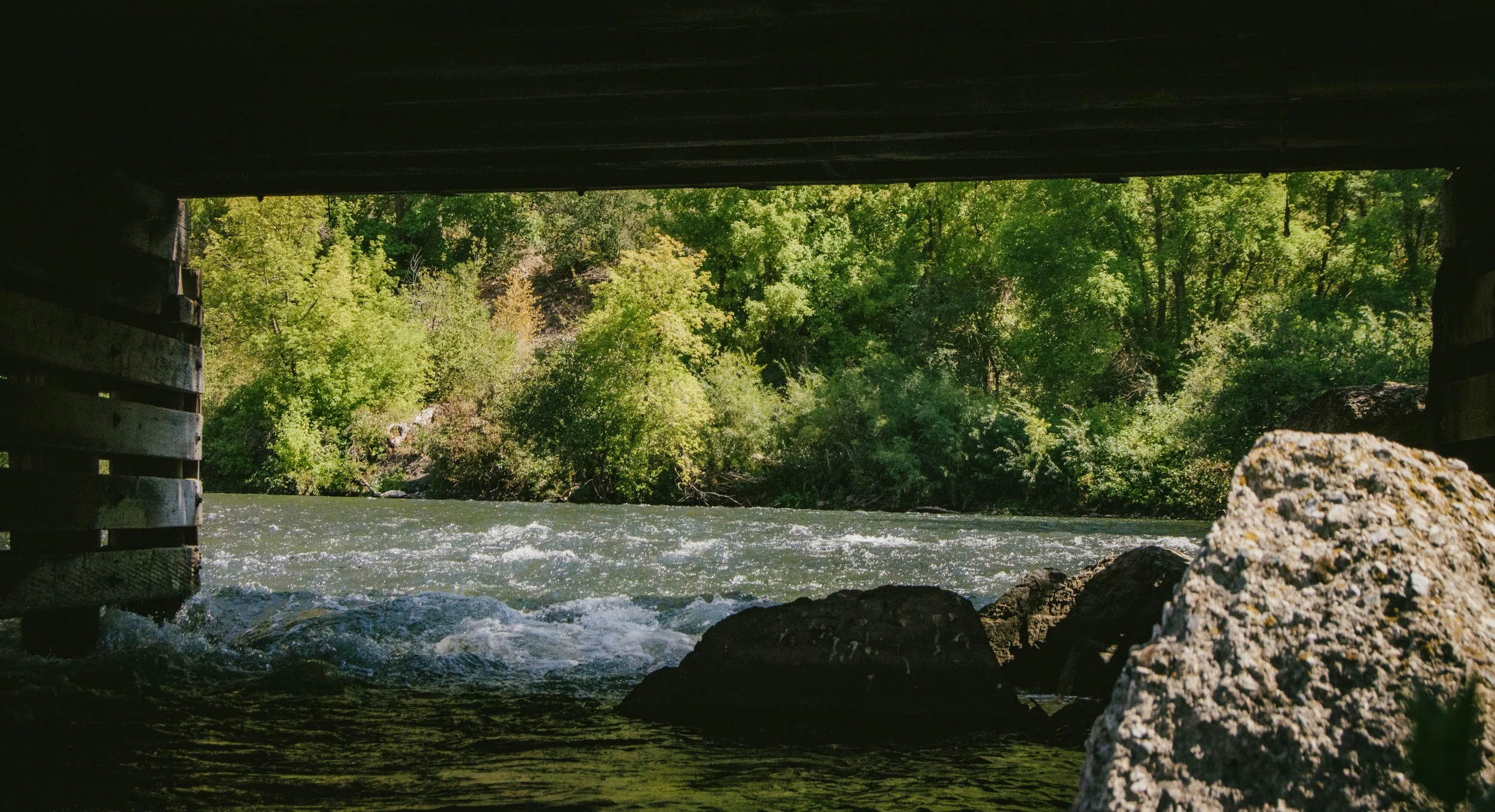
Día de Los Muertos invites family members to cross into the living world, guided by marigolds and their favorite foods. Souls cross the River Styx, waiting to be ferried into another world after they die. While crossing often serves as a euphemism for the passage between life and death, to cross to an unfamiliar place is a spiritual act on its own, often born from threat.
Despite my own conflicting beliefs, I understand the inclination to turn to faith. There is no guarantee that things will be okay when one leaves home, especially when leaving is the only way to survive. Faith, ritual, and prayer give the mind and body a steady rhythm against danger and uncertainty.
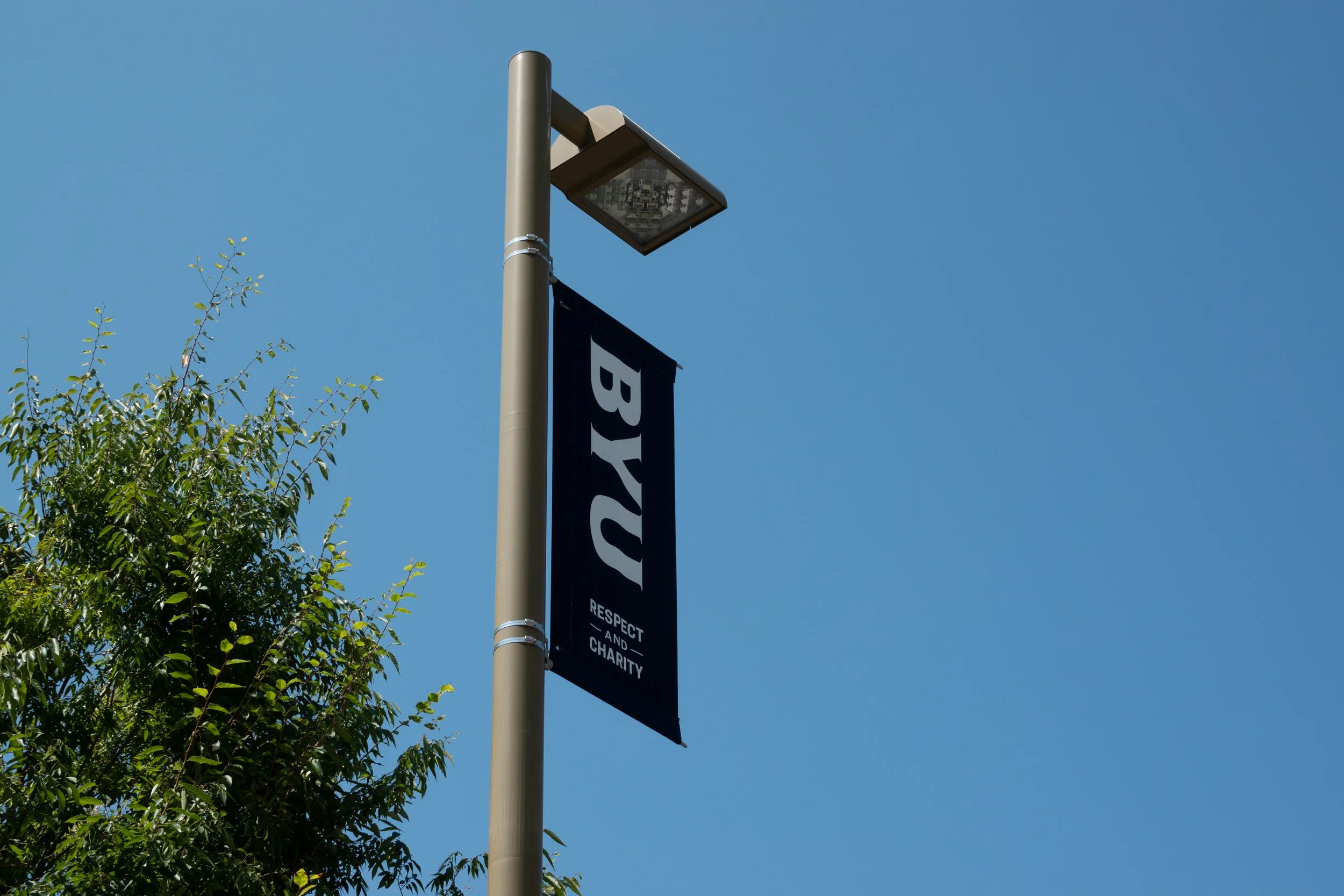
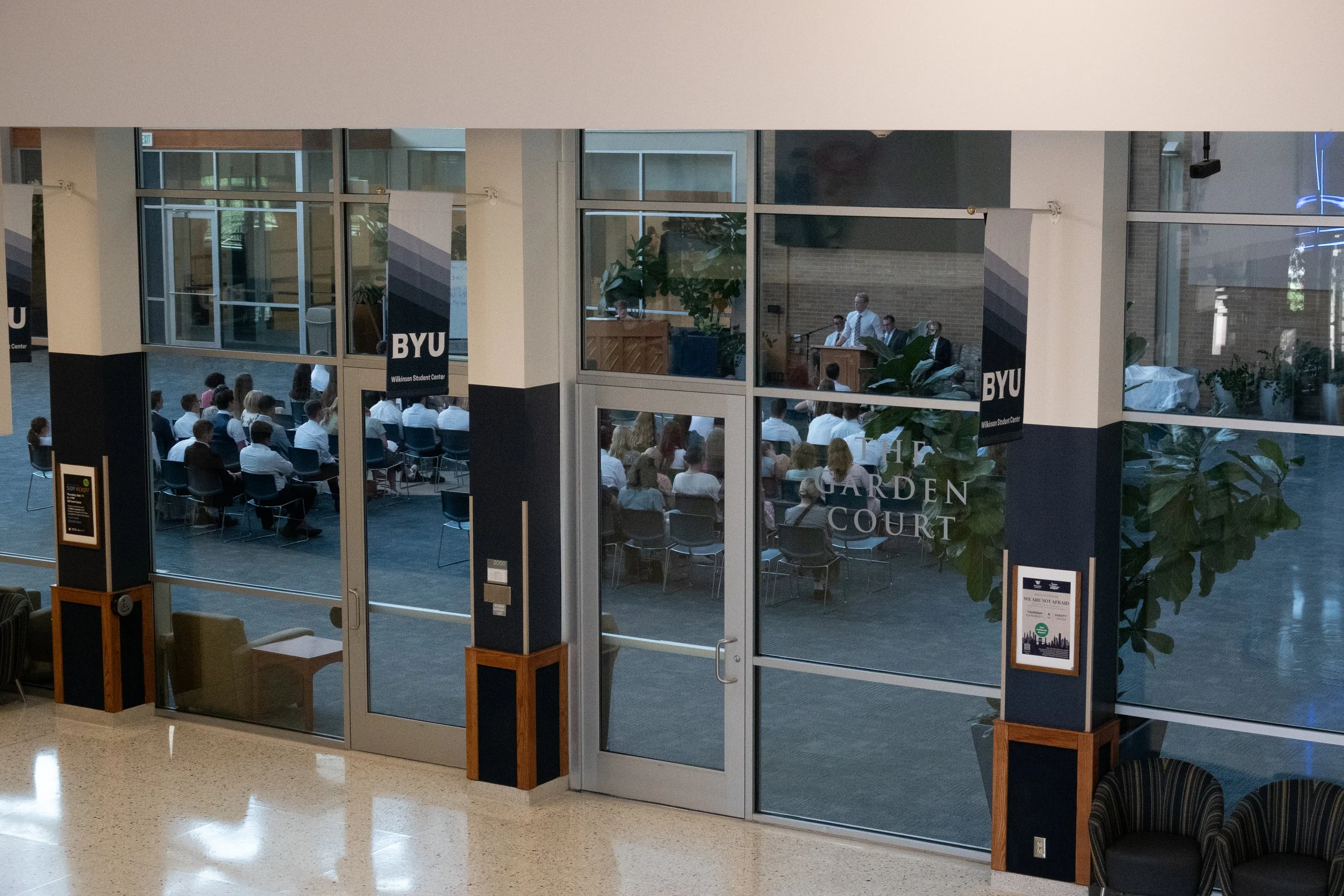
On Sunday morning, I visit Brigham Young University with Audrey and Inseo. We join a Church service held in a bright-lit classroom, listening to a student speaker share a similar idea during his mission in Italy. He talks about loneliness and rejection, and the conviction that his faith would carry him through. His voice later softens, contemplating God’s love and how hard it can be to feel it in times of doubt. He says,
“To feel loved by God, we must love others.”
I get the appeal of religion. It instills values, teaches kindness, offers stories on how to live well, and how to cross over peacefully in the afterlife. When the student speaks about loving others amid uncertainty, I understand him. I believe him.
Even though I’m in a place of faith, there’s still an uneasiness in the air I’ve felt the past couple days. I feel it when I scroll through a void of Reddit threads where students desperately search for a place to belong, when I stumble upon a priest’s video describing temptation and restraint in the Church handbook, and when we drive past a ring shop just across the street. It’s the same feeling I get when I hold my partner’s hand in public, or when my grandma tightens her grip around her cross when I tell her I want to marry her one day.
The room goes quiet. My body braces as if telling me to leave. When I first came to Utah, I tried to picture what it might be like for me to live here. I grieve for the life I imagine — one that would ask for nothing more than a family, safety, and recognition — knowing that it would not be enough, that it would be hidden. I am not safe.
I don’t belong.
Belonging
Perhaps the Mormons didn’t cross through Utah because they were chasing a promised land, but because they learned to keep going when the world didn’t make room for them. There’s a certain persistence in the urge to move, adapt, and survive, and another in trying to belong in a world that chooses who can stay and whose safety is worth protecting.
To belong is to trust that you are safe enough to stop running. It’s an antithesis to our body’s fight-or-flight, offering a stillness that is fragile and often conditional, determined by those who mistake difference for danger and define worth through sameness. When we run, the body searches for somewhere to rest, driven by the same instinct that once pushed those before us to keep going when the world turned unkind. I leave Utah not knowing if I would ever find that there, but I’m learning to be okay with searching somewhere else.
On the way back home, the Nevada desert stretches endlessly, eventually fading into a green foreground of trees and a Welcome to California sign. “Hotel California” blasts through my speakers, and I hear Julia, Phillis, and Hitiksha’s voices singing along to the chorus. Despite the noise, there is a stillness in the car, in the people beside me — each having taken turns to get here and keep one another safe. When I am with them, my body does not brace, for I am still, and then I know.
I belong.
————————————————————-
Words: Jessalyn Yepez
Photos: Inseo Yang, Phillis Wan, Hitiksha Bansal
Design: Jessalyn Yepez